Nearly half of family offices across North America, Europe, and Asia have moved beyond traditional investment mandates to formally articulate the purpose of their wealth, according to early findings from the 2026 AlTi Tiedemann Global and Campden Wealth Family Office Operational Excellence Report. The survey, conducted between February and May 2026 with 126 family office principals and executives, found that 48% of respondents have implemented a clearly defined approach to the intended use of family wealth, up from approximately 33% in 2025.
The shift reflects a growing recognition that an investment policy statement alone does not address deeper questions about what a family's capital is meant to enable. The concept of a "purpose of wealth" framework—a documented strategy covering family wellbeing, generational continuity, philanthropy, and community impact—has gained traction as the scale of intergenerational wealth transfer intensifies. Advisors working with high-net-worth and ultra-high-net-worth families increasingly confront the reality that money can be transferred, but stewardship must be taught.
Why an IPS Is No Longer Enough
The research identifies three dominant motivations among families that have formally defined their wealth's purpose. Providing guidance to the rising generation tops the list, cited by 65% of respondents. Giving the wealth meaning beyond preservation came second at 61%, followed by a desire to reduce family conflict and disagreement, cited by 54%. The data underscores a point long recognized by wealth managers: not having a shared framework for how wealth should be used is a precondition for intergenerational feuds.
Among respondents who have articulated a purpose for their wealth, 71% say it drives family office operations completely or to a large extent, while 67% say the same of wealth transfer and estate planning, as well as governance. Investment decisions follow at 64%, with succession and transition planning at 59%. Preserving and building family wealth remains the single most cited intended use of capital, named by 91% of respondents. However, education for family members, philanthropic capital, and support for the family business each drew 46%, followed by funding costs of living at 42% and addressing family health needs at 40%.
Bringing Next-Gen to the Table
Despite the momentum, the research surfaces a significant gap between intent and practice regarding the rising generation. While guiding the next generation is the top stated motivation for defining a wealth purpose, AlTi Tiedemann found just 17% of respondents report that rising generation members are very engaged in defining or updating that purpose. A further 41% are somewhat engaged, and 30% are not yet involved—though families express a clear desire to bring them in. Only 5% have no plans to involve the rising generation at all.
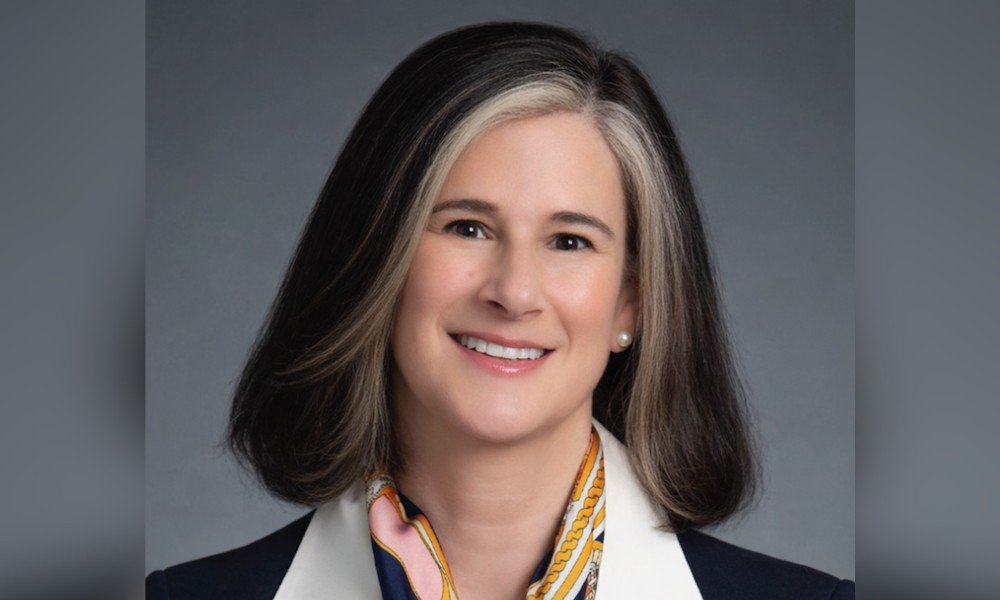
The numbers align with a broader pattern advisors have grappled with for years: planning for heirs is not the same as planning with them. A purpose-of-wealth framework, the research suggests, is one of the most practical mechanisms for closing that gap—shifting younger family members from passive recipients of inherited wealth to active co-creators of its meaning and direction. Jill Shipley, head of Governance and Education at AlTi Tiedemann Global in New York, said in a statement Monday, "For many families, the conversation is shifting from simply preparing the wealth for the heirs, to preparing the heirs for the wealth."
How Outside Expertise Helps Shape Meaning
Nearly 60% of respondents who said they have defined a purpose for their wealth either used external support in the process or recognized in retrospect that they would have benefited from it. Among those who did engage outside advisors, the most commonly cited need was help answering the foundational question of what the wealth's purpose actually is, cited by 58%, followed by assistance facilitating family meetings at 55%. Twenty-seven percent of those seeking outside support specifically want help designing ways to measure and report on how the wealth is being used, signaling that accountability is becoming part of the framework.
The findings carry practical implications for financial advisors working with affluent families. The demand for advisors who can facilitate values-based conversations—not just manage portfolios—appears to be growing. As families increasingly formalize this work, advisors may find opportunities to help clients define purpose beyond portfolio returns, as explored in Advisors Help Clients Define Purpose Beyond Portfolio Returns. Meanwhile, the broader trend of operational discipline driving top advisory firm growth, as noted in Operational Discipline, Not Market Gains, Drives Top Advisory Firm Growth, AssetMark Study Finds, aligns with the family office sector's focus on structured purpose frameworks.
As the $124 trillion intergenerational wealth transfer accelerates, advisors are urged to preserve family narratives and engage heirs early, as highlighted in Advisors Urged to Preserve Family Narratives Amid $124 Trillion Wealth Transfer. The AlTi Tiedemann survey underscores that purpose-of-wealth frameworks are becoming a critical tool for ensuring continuity and reducing conflict, with the potential to reshape how family offices operate for generations to come.