The United States minted more than 440,000 new millionaires in 2025—over 1,200 each day—according to the UBS Global Wealth Report 2026. That surge, driven by buoyant equity markets and a wave of liquidity events, means the U.S. accounted for nearly half of all new millionaires worldwide. Yet insurance specialists warn that many of these newly affluent households are carrying policies designed for an earlier, leaner stage of life.
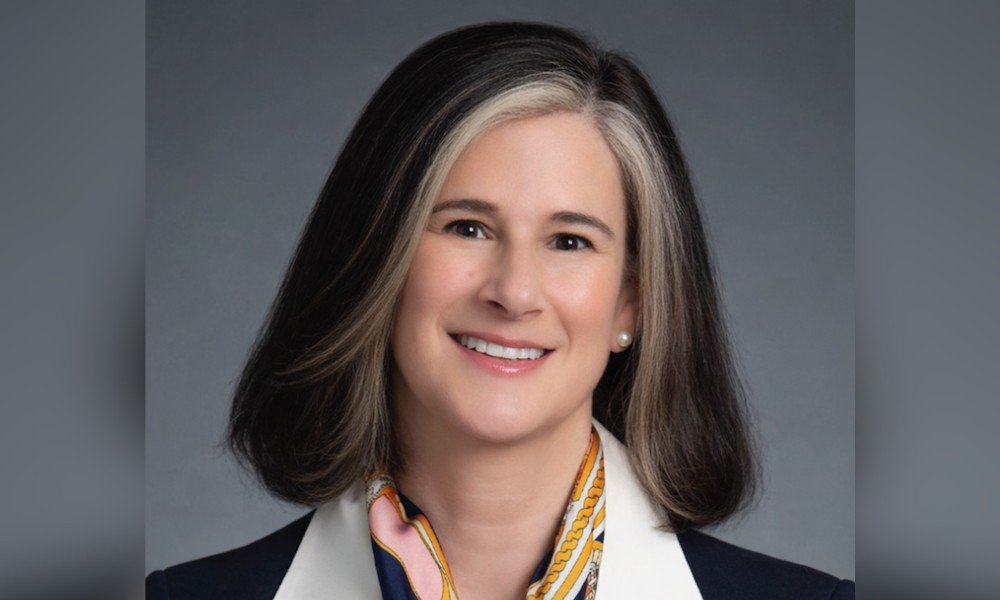
“More individuals and families are experiencing significant wealth growth, whether through the sale of a business, equity compensation, stock appreciation or other liquidity events,” said Diane Delaney, executive director of the Private Risk Management Association (PRMA). “Many transition into the high-net-worth market without realizing they have outgrown their insurance program. Their wealth has changed, but their insurance often hasn't.”
Wealth Still on Paper
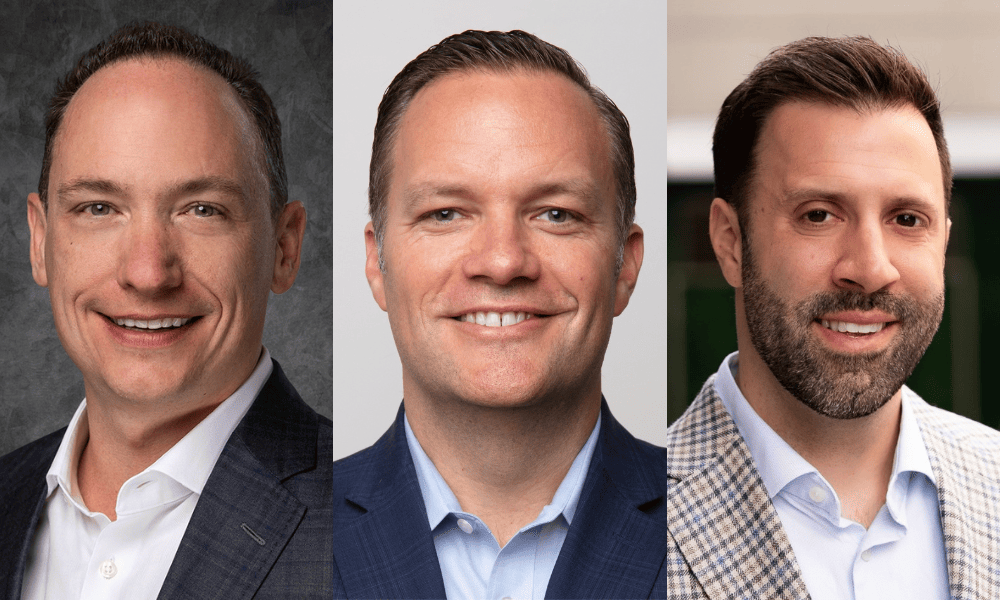
Part of what makes this moment unusual is that much of the new wealth is still unrealized. Jason Ott, president of private risk management at Aon, noted that the insurance implications haven't fully materialized because so much of the gain remains tied up in the stock market. “We haven't seen a dramatic shift yet because a lot of people's wealth is still tied up in the stock market,” Ott said. “I think over the next 18 months we're going to see a pretty dramatic increase in people making purchases.” Those purchases are expected to include second homes, luxury vehicles, jewelry, artwork and other collectibles—all of which require more specialized insurance arrangements than standard personal lines policies.
Yas Nahali, senior vice president at Amwins, said growing wealth demands more than a routine renewal. “As personal wealth grows, clients will need to do a thorough deep dive into their insurance programs,” she said. “Their portfolio is more than just a simple annual review at this point and requires a broader protection strategy that is customized to fit their lifestyle, overall financial security and the legacy they wish to leave behind.” Nahali said the most active areas she sees are tangible assets in catastrophe-exposed locations—waterfront, coastal, or remote high-brush and mountain properties—alongside accumulating valuables such as watches, handbags, art and wine. On the casualty side, she's fielding requests for higher limits against nuclear verdicts and for cyber, crime, identity-theft and kidnap-and-ransom cover.
Liability Risks a Growing Concern
Expensive homes and jewelry get attention, but liability is the exposure specialists agree people underestimate most. “As wealth increases, so does visibility,” Delaney said, noting that wealth can shape how a defendant is perceived in litigation. At Amwins, Nahali noted “continued requests for higher limits of protection against nuclear verdicts as well as Cyber/Crime coverage such as ID theft, kidnap & ransom, financial fraud response defense,” among other coverages.
Ott expects umbrella coverage to become a first-order concern for newly wealthy households, because many are coming from primary policies with personal liability limits of $300,000 to $1 million. “For most people, a $1 million umbrella policy is great,” he said. “But if you're an affluent individual, I think $5 million to $10 million is where you should be. If you're in the ultra-high-net-worth space, you should certainly be looking at limits up to $50 million, depending on your net worth.”
Why Advisors Should Bring Up Umbrella Coverage
But buying a big umbrella isn't the same as being covered. This, Ott said, is where the new millionaires are most exposed. An umbrella sits above underlying auto and home policies, and it only kicks in once those policies meet a required “attachment point,” typically $300,000 or more of auto liability, or a set homeowners limit. If the underlying policy falls short, the shortfall is the policyholder's problem. “You might have a $5 million umbrella sitting over an auto policy,” Ott said. “The umbrella requires the auto policy to have $300,000 in liability coverage, but the policy only has $100,000. If there were a loss, you'd have a $200,000 gap that the individual would be personally responsible for.”
It's one of the most common defects Aon finds when reviewing an incoming client's program. “Before we even finish our review, we'll call the client and say, 'You need to contact your insurance broker right now. You have a gap in coverage.'” The gap is usually a knowledge problem, not a pricing one, Ott said. Direct-to-consumer auto insurers often deliver savings partly by quietly lowering liability limits, and buyers don't connect that to the umbrella sitting above it. The premium difference between $100,000 and $300,000 of liability is often only a hundred or a few hundred dollars a year.
The Biggest Insurance Mistake New Millionaires Make
The common pattern the three specialists flagged: insurance planning trails financial success, and the correction usually comes only after a broker intervenes or a loss exposes the gap. “The biggest mistake we see is lack of preparation leading into accumulation of wealth,” Nahali said. “In most cases the accumulation happens so quickly the client may not be prepared for the upfront costs of premiums or fail to see the value of protection initially.” Delaney concurred: “Someone may still have the same insurance carrier and coverage they purchased years ago, before their financial situation changed. They may still have a standard personal insurance policy that served them well in their twenties, but today they own a higher-value home, a luxury vehicle, valuable jewelry or artwork, and have significantly greater liability exposure.”
For advisors, the takeaway is clear: as clients cross the million-dollar threshold, a routine policy review is no longer sufficient. A comprehensive risk assessment—including umbrella limits, underlying policy attachments, and coverage for tangible and intangible assets—should be part of the financial planning conversation. As retirement confidence surveys show, many Americans lack a clear picture of their own finances, and insurance is often the last piece to be updated. By proactively addressing these gaps, advisors can help clients protect the wealth they've worked so hard to build.