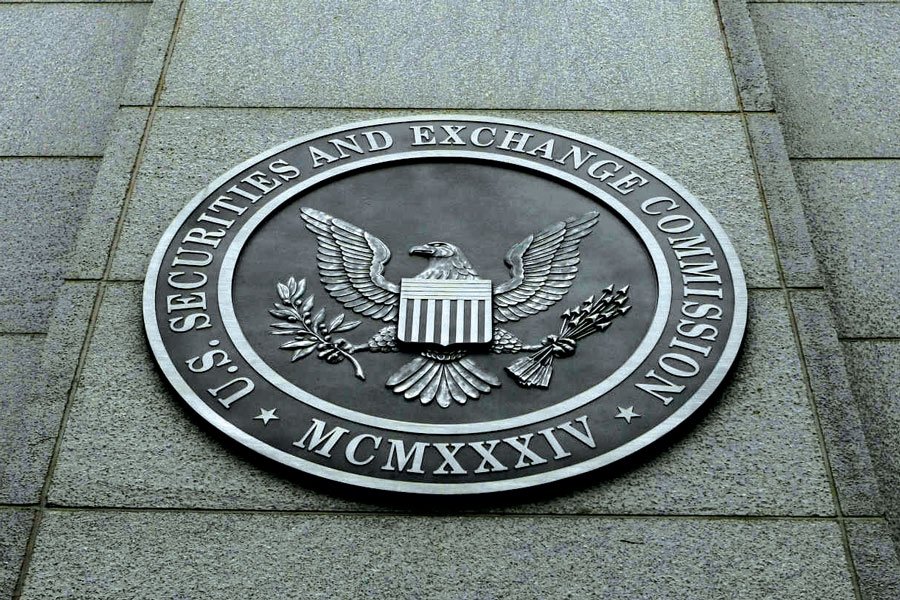
Securities and Exchange Commission Chairman Paul Atkins has directed agency staff to solicit public feedback before approving any exchange-traded funds linked to prediction market contracts, effectively freezing at least 24 filings from issuers including Bitwise Investments, Roundhill Investments, and GraniteShares. The move, announced May 20, halts the standard 75-day review window for these novel products, which would allow retail investors to bet on outcomes ranging from the 2028 U.S. presidential election to whether the economy enters a recession in 2026.
"Novel products raise novel questions," Atkins said in a statement, thanking fund sponsors for voluntarily delaying their filings while the commission weighs the implications. The affected ETFs, submitted in February, were approaching the end of their review period when the SEC intervened. No timeline has been set for the public comment process, leaving the fate of these funds uncertain.
A New Frontier for ETF Structures
The ETF wrapper has absorbed increasingly unconventional strategies over the past decade, from volatility futures to spot Bitcoin and Ethereum. Prediction market ETFs represent a further departure, as they are tied to event contracts offered by platforms like Polymarket and Kalshi. These contracts function as binary bets: investors win or lose based solely on whether a specific event occurs. Bitwise's filings warned that investors could lose "substantially all" of their investment if the outcome goes against them, highlighting risks distinct from traditional long-only funds.
According to The Block, Polymarket and Kalshi collectively surpassed $25 billion in monthly trading volume in April, driven partly by regulatory support from federal agencies. Currently, accessing these markets requires dedicated accounts, but an ETF wrapper would integrate them into standard brokerage accounts, dramatically expanding their reach. The proposed funds include exposure to the 2028 presidential election, Senate and House races, and macroeconomic indicators like tech-sector layoffs.
Regulatory Shift Under Atkins
Atkins' approach marks a departure from his predecessor, Gary Gensler, who publicly warned about complex exchange-traded products as early as October 2021 and allowed several proposals to stall without formal rejection. Under Atkins, the SEC has dropped crypto enforcement actions, approved multiple crypto-linked ETFs, and signaled openness to blockchain-based financial products. However, the pause on prediction-market ETFs suggests caution about opening the door too wide.
"The SEC is obviously not fully comfortable with these filings – or at least not comfortable with opening Pandora's box to all of what prediction markets offer," said James Seyffart, an ETF analyst at Bloomberg Intelligence. Bloomberg Senior ETF Analyst Eric Balchunas echoed this on X, noting the commission is "clearly wrestling with these and wants more time and input."
Implications for Advisors
For financial advisors, the immediate takeaway is clear: these products are not launching soon, and there is no guarantee they will launch in their current form. The public comment process could yield evidence supporting tighter restrictions or a framework that permits them. If approved, advisors would face a product requiring careful positioning, given its total-loss risk and fundamentally different mechanics from standard funds.
As the ETF landscape evolves, advisors are also rethinking practice management with AI and scalable systems, while the SEC's enforcement chief has warned private funds about liquidity risks. The prediction-market ETF saga underscores the broader tension between innovation and investor protection in the wealth management industry.