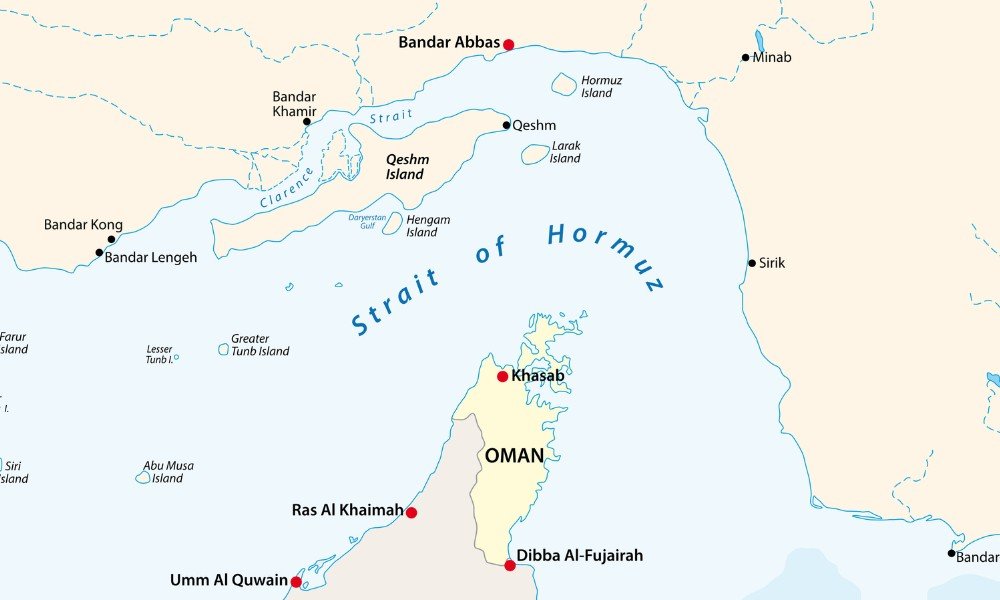
U.S. equity futures presented a mixed picture early Monday as investors grappled with heightened geopolitical risks in the Middle East and the unveiling of a Trump administration initiative to restore passage through the Strait of Hormuz. S&P 500 futures edged up 0.1%, while Nasdaq 100 futures gained 0.21%. In contrast, Dow Jones Industrial Average futures slipped 98 points, or 0.2%, reflecting a cautious tone among market participants.
President Donald Trump announced "Project Freedom" over the weekend, a plan aimed at assisting vessels stranded by the closure of the vital waterway. In a social media post, Trump stated, "I have told my Representatives to inform them that we will use best efforts to get their Ships and Crews safely out of the Strait." He added that the affected parties indicated they would not return until the area is deemed safe for navigation. The initiative is slated to begin Monday, but according to The Wall Street Journal, operational details remain vague.
The effort targets cargo from nations not directly involved in the Iran conflict, seeking to alleviate a growing backlog of ships unable to transit the strait after months of disruption. However, shipowners and insurers are grappling with the plan's practical implementation. Ongoing attacks and the absence of a clearly defined security framework have left industry participants uncertain about the safety of resuming voyages, as reported by Bloomberg.
Iran has warned that external involvement in the strait could exacerbate tensions, even as diplomatic signals remain mixed. Tehran indicated Sunday that it had received a U.S. response to its latest peace proposal, following earlier optimism about potential negotiations. Trump, however, downplayed those expectations, asserting that Iran is negotiating "because they have no military left."
Despite the geopolitical backdrop, markets have shown resilience. On Friday, the S&P 500 and Nasdaq Composite both reached new intraday and closing highs, rising 0.29% and 0.89%, respectively. The Dow fell 152.87 points, or 0.31%. Strategists note that strong earnings continue to support equities, even as risks persist. For context, Goldman Sachs reported that S&P 500 earnings surged 17% in Q1, the best performance in 15 years excluding pandemic and tax-cut anomalies.
The uncertainty surrounding the Strait of Hormuz comes amid other policy developments. A federal trade court recently struck down Trump's 10% global tariffs, citing overreach of presidential authority, adding another layer of complexity for investors. Meanwhile, April CPI rose 0.6%, pushing the annual rate to 3.8% as energy costs drove inflation higher, a factor that could influence Federal Reserve policy.
For financial advisors, the key takeaway is that while equity markets have absorbed geopolitical shocks relatively well, the lack of clarity on the Hormuz plan and the potential for escalation remain risks. The mixed futures signal that investors are not yet pricing in a full resolution, and the shipping industry's hesitancy underscores the operational challenges ahead.