For financial advisors serving ultra-high-net-worth (UHNW) clients, the family meeting has evolved from a casual check-in into a cornerstone of estate planning. According to Cerulli Associates' 2024 research on high-net-worth wealth transfer, 89% of surveyed firms now regard regular family meetings and consistent communication as an important best practice. With an estimated $124 trillion expected to change hands through 2048, the structure and tone of these conversations increasingly determine whether wealth transfer plans succeed.
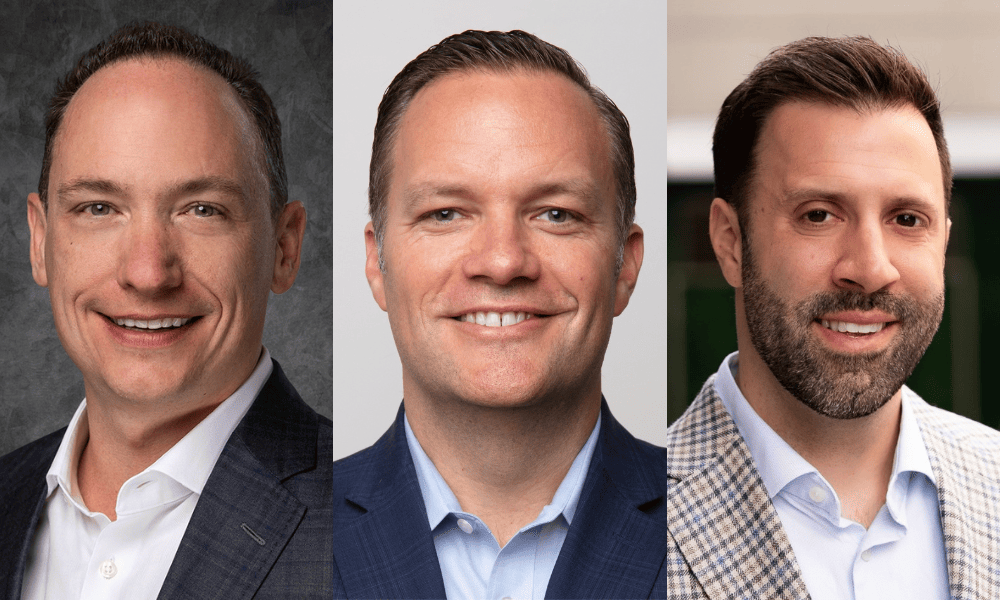
Three advisors who work closely with UHNW families — Erik Bjerke of OpenArc Corporate Advisory, Helen Andreoli of Great Diamond Partners, and Brian Gately of Anchyra Partners — shared how these meetings have evolved and why getting them right matters as much as the underlying legal and tax strategy.
Blending structure with shared experience
Bjerke, senior managing partner and senior wealth advisor at OpenArc Corporate Advisory, said family meetings are typically held every one to two years, often paired with a shared activity that lowers the emotional temperature of the room. "This past holiday season, one client combined their Christmas tradition of family Olympics with a first family meeting. Our OpenArc team got on a plane to be with the family in the days before Christmas. Families tend to build stronger connections in relaxed, low-stress settings, making it easier to engage in conversations about wealth, values, and legacy. The goal is to create an environment where important discussions occur naturally while fostering trust, engagement, and family unity," Bjerke said.
There is no standard formula for who attends, he added. Spouses often join only once a family has built a comfortable rhythm, and younger generations are increasingly brought in earlier than in the past. "To promote clarity and fairness, we encourage families to establish formal guidelines regarding participation, including at what age younger family members are invited to attend. We have families that will include 3 generations at the social event as young as 7, but only the oldest two generations will attend the meeting itself," Bjerke said.
Bjerke said OpenArc's lead advisors are trained to run these meetings directly rather than outsourcing to third-party facilitators. "While we draw upon a broad range of resources and specialized content, we believe effective family meeting leadership requires both skill and deep knowledge of the family's history, dynamics, and goals. Our group has facilitated hundreds of meetings over the years. Each time we learn something new about specific family members or how best to guide the family through the process. The advisor who knows the family best is often well-positioned to guide meaningful conversations, introduce the right topics at the right time, and help families navigate complex decisions. For us, family governance and financial advising are closely connected disciplines," he said.
He added that the focus of these meetings has shifted from pure wealth preservation toward purpose and stewardship. "Discussions often center on defining a family mission, aligning around shared values, and exploring opportunities to address challenges in their communities and the broader world. The conversation has evolved from simply preserving wealth to thoughtfully deploying it in ways that reflect a family's legacy and aspirations," Bjerke said.
Setting ground rules before the conversation starts
Andreoli, managing partner at Great Diamond Partners, said most families prefer to meet in her office rather than at home, calling it neutral ground where a moderator can keep discussions on track without interruption. Meeting frequency depends on the subject: one-time issues, such as a family property dispute, may only need a single session with a follow-up, while decisions involving income distribution or annual expense allocation typically warrant a yearly conversation.
"Frankly, whoever the matriarch and/or patriarch want in the meeting is who we will include. Often, the adult children are included in all the meetings whereas grandchildren may be only included to a limited extent. Grandchildren are increasingly included in some meetings as a way to start their education around finances and the responsibilities and opportunities they have before them. They are less likely to be aware of the full extent of the family finances and are generally not involved in any decision making. On occasion, spouses and in-laws are included but it is a family-by-family situation and, I have found, based primarily on the perceptions around the relationships. If there are concerns about values or intentions, often those individuals are left out in hopes of maintaining family harmony. What is important to consider is that if one spouse is invited and another is not, that can cause more problems than it solves," Andreoli said.
Before any meeting, Andreoli said she outlines topics that are off-limits and clarifies what information will and won't be shared — clients often prefer to discuss distribution philosophy without disclosing exact asset figures. "I try to avoid an 'us vs. them' environment. A productive meeting also starts with an outline of what we will discuss, what we will not and how we will engage with each other. Setting rules like 'no speaking over each other' is very important and what to do if you need a break. Ending the meeting with a summary of what was discussed followed by a write up of the conversation can help people make sure they were heard correctly," Andreoli said.
She also encourages clients to disclose grandchildren's education-funding plans to their own children in advance, so the next generation can plan accordingly. "Some clients want to have these meetings just to let the kids know that their long-term care needs are all set so the kids don't need to worry about that while trying to care for their own families," she added.
As the wealth transfer wave accelerates, advisors are increasingly treating family meetings as a strategic imperative. For more on how advisors can keep estate plans current, see continuous monitoring guidance. And with the rise of prediction markets, advisors are also being urged to set clear client frameworks. The key, advisors say, is to blend structure with flexibility, ensuring that every voice is heard and that the family's shared values remain at the center of the conversation.