More than half of U.S. adults fear they will exhaust their retirement savings before death, a concern rooted in a widespread miscalculation of how long retirement actually lasts, according to a new survey from TIAA. The 2026 TIAA Retirement in the Age of AI and GLP-1s Survey, conducted by KRC Research among 1,000 adults aged 18 to 65 from July 27 to July 31, 2026, found that 53% of respondents are most worried about outliving their assets, while only 21% fear underspending.
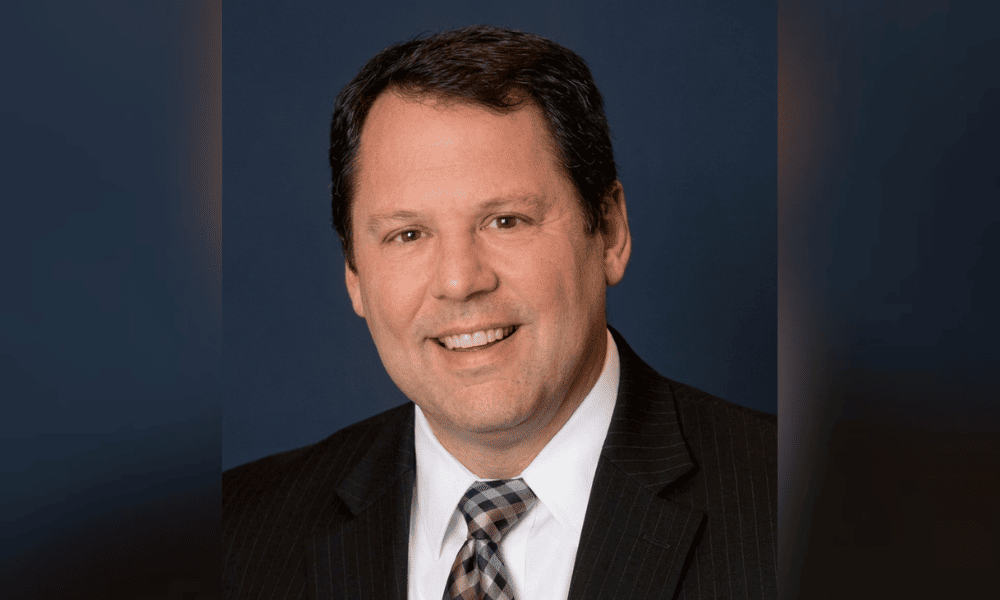
The findings highlight a persistent gap between perceived and actual longevity. Tim Pitney, Managing Director and Head of Lifetime Income Distribution at TIAA in Cambridge, Massachusetts, notes that clients often anchor their planning on average life expectancy at birth—roughly 78 years—without adjusting for the fact that reaching age 65 already improves survival odds. "You get to 65, you survived any other major healthcare issues or disasters, and now your longevity is not 78, it's more akin to like 87 or 88," Pitney said. For couples, the probability that at least one spouse lives into the mid-90s is significant, extending the planning horizon by a decade or more.
This miscalculation has direct implications for drawdown strategies, asset allocation, and the role of guaranteed income. A plan built for a 78-year-old horizon is structurally different from one designed to sustain a couple into their 90s. The survey found that 43% of respondents lack confidence that traditional retirement planning methods can keep pace with longer lifespans, with the figure rising to 49% among women and 47% among Gen Z workers—segments where advisors may underestimate planning needs.
Two emerging forces are complicating the retirement calculus: artificial intelligence and GLP-1 medications. On healthcare costs, respondents are nearly evenly split on AI's impact: 27% expect it to increase costs via expensive new treatments, 22% foresee lower costs through efficiency, 20% see no significant effect, and 32% are unsure. Meanwhile, 77% already view rising healthcare costs as a direct threat to their retirement plans, alongside inflation, cited by 80%.
GLP-1 drugs, originally developed for diabetes and obesity, could extend healthy lifespans, potentially upending the actuarial assumptions behind retirement models and annuity pricing. The top financial fears tied to longer life include running out of money for basic expenses (46%), insufficient disposable income for extra years (42%), high long-term care costs (41%), and becoming a burden on family (30%).
Pitney emphasizes that annuities offer a hedge against these uncertainties. "An annuity doesn't care what AI does," he said. "Regardless of what happens—whether medical advances extend longevity or don't move the needle, whether interest rates rise or fall—that guaranteed income payment will continue to arrive." This message aligns with broader market trends: according to LIMRA, U.S. retail annuity sales hit a record $464.1 billion in 2025, up 7% year-over-year and marking the fourth consecutive annual record.
The survey also underscores a cost differential in retirement income solutions. Pitney points out that workplace plans may offer all-in costs of 10 to 20 basis points, yet many participants roll over into higher-cost retail annuities. "Think about people who have an entire retirement package with their workplace, maybe paying all-in costs of 10 to 20 basis points," he said. "They're taking their money out and immediately going out and buying an annuity. But if you don't have the kind of income services within those plans, that's what's going to happen." Advisors should proactively discuss whether to roll over, stay in the plan, or access in-plan income options, as the cost implications are significant.
TIAA is scaling its institutional lifetime income solutions into the broader 401(k) market in response. By the end of 2026, the firm expects to serve 1,000 institutions using customized solutions with embedded lifetime income in default investment options, reaching approximately $100 billion in assets and around one million participants. This move reflects a growing recognition that guaranteed income can curb retirement anxiety, a finding echoed in advisor reports. As longevity assumptions shift, the industry is adapting to help clients avoid the retirement optimism that collides with weak financial health.