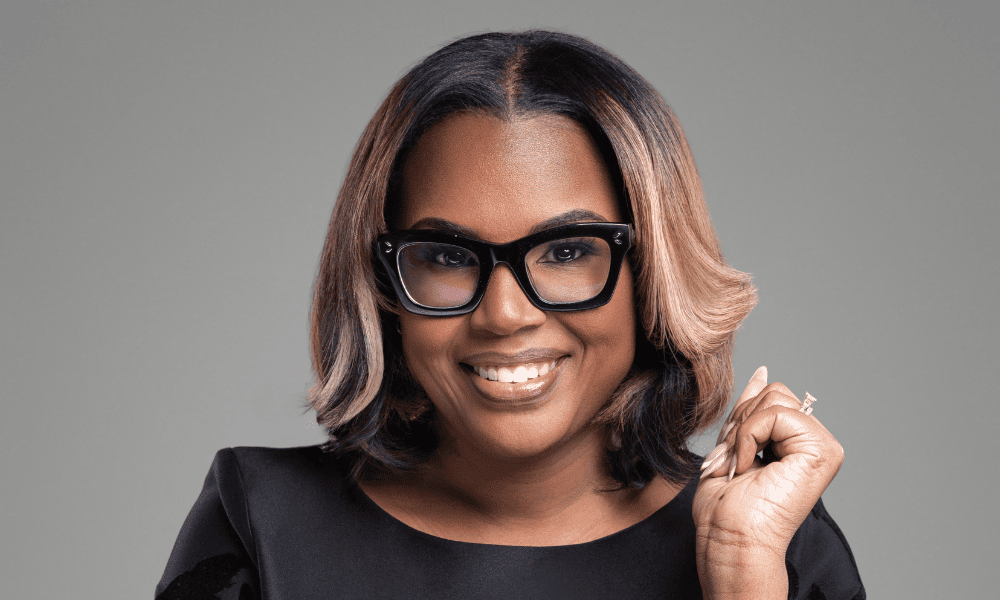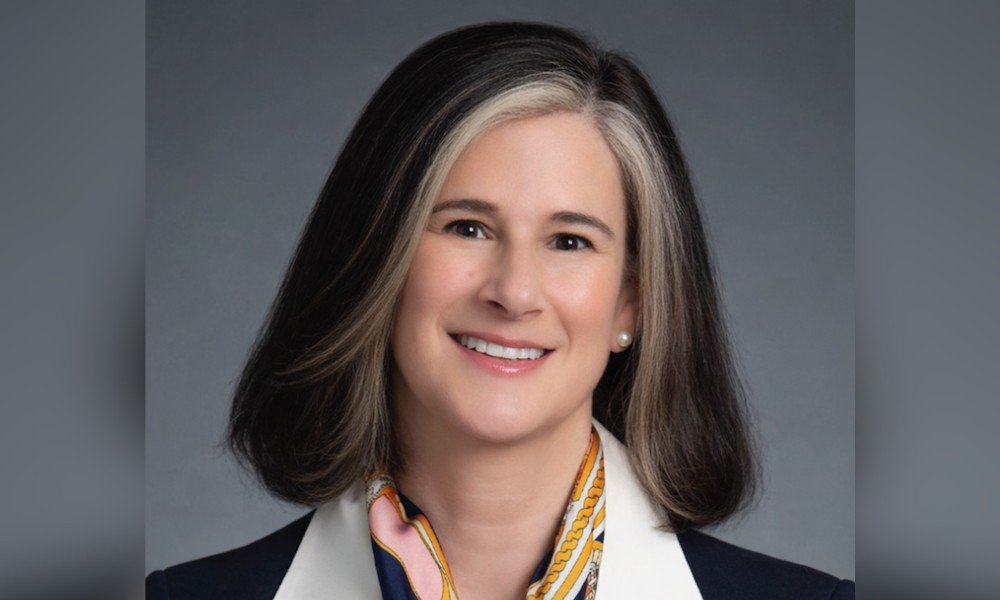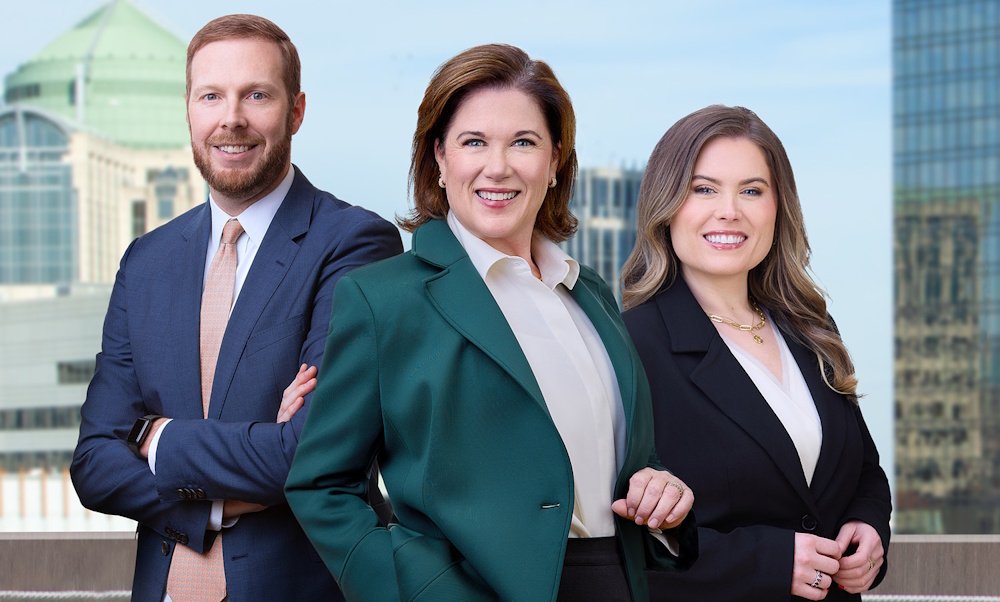
Kathleen Malone and her daughter Emily Malone, a Wells Fargo Advisors team overseeing roughly $3 billion for multigenerational families, have built a practice that deliberately separates responsibilities by generation. Kathleen, a Barron's Hall of Fame Advisor, focuses on the parents and founders who built the wealth, while Emily works directly with the adult children who will inherit it. The duo, alongside senior advisor Andy Sontag, aim to solve one of the industry's most persistent challenges: retaining assets as wealth passes from one generation to the next.
Kathleen told InvestmentNews that the division of labor was never formally assigned but evolved naturally. "There was never a formal moment where responsibilities were 'split.' In practice, roles evolve over time," she said. "One of my priorities was making sure Emily could integrate into a team that already had an established dynamic. Today, we have three advisors across different generations and experience levels, which mirrors our client base."
A key motivation for the structure was reducing key-person risk. After 25 years of building close relationships, many families were heavily dependent on Kathleen personally. "That's flattering, but it is not good for clients," she said. "If something happened to me, or when I eventually step back, they need to know there is real continuity." At the same time, she wanted Emily to establish credibility independently, not as an extension of her mother. That meant putting Emily in front of clients early and resisting the urge to step in when clients defaulted to Kathleen on matters Emily could handle.
The team avoids using the word "transition" with clients, which Kathleen says implies stepping away. Instead, they frame the addition of Emily as "expanding the relationship" to include the next generation. For entrepreneurs and first-generation wealth creators, this distinction is critical. "They built something from nothing, and they trust you to help them protect it," Kathleen said. "The last thing they want to hear is 'someone else will take it from here.'" Emily is positioned as an additional resource for adult children, someone they can call directly with their own questions, separate from the parents' financial matters.
Disciplined communication and clear boundaries are essential to the model. Kathleen and Emily stay current on each family's situation, upcoming events, and who has spoken with whom. Confidentiality is paramount: Emily's relationships with adult children are her own, and she does not report back to parents on sensitive conversations. "The parents trust me, the kids need to trust her, and that requires real boundaries around what gets shared up and down the family tree," Kathleen said.
For advisors considering bringing relatives into the business, Kathleen advises hiring on merit, not family ties. "Don't do it just because it's family," she said. "That person needs to be someone you'd hire on the merits." She added that clients must see the new advisor as a professional from day one, not as an assistant or a child. "Give them ownership of real relationships as fast as they're ready." Differences in style should be embraced, she said: "Emily approaches things differently than I do, and that's a strength, not a problem. The whole point is that she brings something I can't."
Emily emphasized that adult children must be treated as clients in their own right, not as "heirs-in-waiting." Many are building their own families and careers, with distinct goals and values. Meeting with them independently, without parents present, is one of the most effective ways to build trust. "Without parents in the room, they're willing to ask the real questions—about debt, prenups, career changes, and whether they're on track," Emily said. "That space is sacred, and I protect it." She is clear that she is not a go-between for their parents and does not report back on confidential conversations.
Emily noted that many next-generation clients appreciate the responsibility of wealth but fear making mistakes. "Every next-generation client I work with genuinely appreciates the responsibility that comes with wealth," she said. "What I see more often, though, is a fear of getting it wrong and a quiet sense that they should already know more than they do." To ease that anxiety, she often starts with a simple phrase: "You may already know this, but…" and then explains concepts from the ground up. This approach, she said, takes the pressure off and encourages open dialogue.
The Malones' model offers a template for advisory firms looking to retain multigenerational assets. As the industry grapples with the Great Wealth Transfer, teams that can bridge generational divides may have a competitive edge. For more on how family dynamics can strengthen advisory practices, see Father-Son Advisory Teams at Savant Share Insights on Collaboration and Conflict. Additionally, Operational Discipline, Not Market Gains, Drives Top Advisory Firm Growth, AssetMark Study Finds highlights the importance of structured practices in scaling advisory businesses.