In periods of market turbulence, financial advisors face a delicate balancing act: maintaining client trust without triggering unnecessary alarm. The challenge, as described by several wealth managers, lies in distinguishing between proactive communication and over-communication that can itself become a source of anxiety.
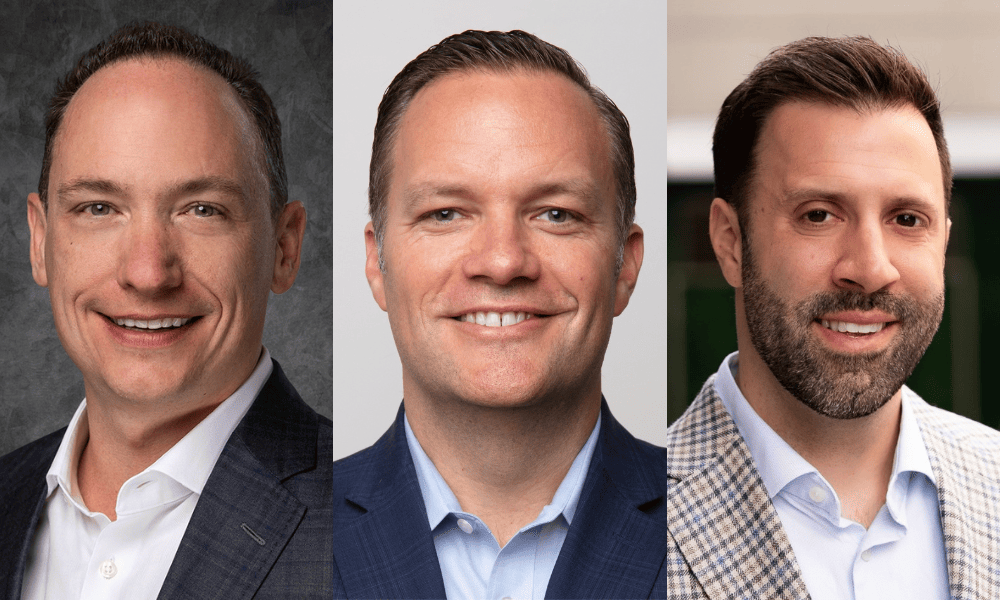
Matthew Nordmann, managing partner at Morrison Nordmann Wealth Management, advocates for what he calls "proactive communication" but cautions that its timing and tone are critical. "Too much commentary can cause clients to focus on noise rather than the plan in place to help them achieve all they tell us is most important to them," Nordmann said. He argues that the goal is not more communication but better communication, particularly during moments of genuine uncertainty such as major geopolitical events or significant policy shifts.
Daniel Crosby, chief behavioral officer at Orion, frames the issue through a behavioral lens. He notes that market volatility triggers a primal desire for certainty, and advisor communication can either anchor clients or heighten their vigilance. "At its best, communication from an advisor can provide exactly that. It can anchor clients, widen their time horizon, and remind them of the plan they built when emotions were quieter," Crosby said. However, he warns that any outreach carries an implicit message that something unusual is happening, which may create comfort for some clients but vigilance for others.
Crosby recommends measuring a client's "Risk Composure"—a metric that gauges emotional reactivity under financial stress—to tailor communication. This approach moves beyond blanket outreach toward precision communication, where advisors can identify which clients need education, context, or reassurance before anxiety turns into action. "That, to me, is where the industry is headed," Crosby added.
Brian Boswell, wealth manager at Savvy Advisors, describes his experience reaching out during volatile periods as "overwhelmingly positive." He emphasizes bringing data into conversations to reassure clients, noting that most hang up feeling steadier than when they started. "If my clients are seeing it, I assume they're feeling it, so when the headlines turn ominous or alarming, that's my barometer to start picking up the phone," Boswell said. He operates on the assumption that silence from advisors creates space for anxiety to grow, and his job is to close that gap before it opens.
Advisors also stress the importance of perspective. Nordmann reminds clients that uncertainty is a normal part of investing and that their plans were built with that uncertainty in mind. Short-term headlines, he argues, rarely justify long-term changes. This approach aligns with broader industry trends, as seen in recent strategies to prevent cash crunches among ultra-rich clients, where proactive planning is key.
The debate over communication frequency also intersects with regulatory and technological developments. For instance, the SEC's proposed semi-annual reporting could affect how advisors document and time their client interactions. Meanwhile, tools like AI-integrated research platforms are helping advisors analyze client behavior and market data more efficiently.
Ultimately, the consensus among these advisors is that intentionality matters more than frequency. As Nordmann put it, "We focus on moments when clients may benefit from perspective... The goal is to be intentional, lead when leadership is needed, not react for the sake of reacting."