Estate planning has become the leading reason Americans contact an attorney, according to new data from LegalShield Intelligence. The firm's analysis of roughly 150,000 monthly consumer calls to its network of provider lawyers found that estate planning now drives about 1 in 6 legal inquiries, up from roughly 1 in 9 in 2016. Within that category, questions about trusts have grown sevenfold over the past decade and now represent nearly 1 in 5 estate planning calls.
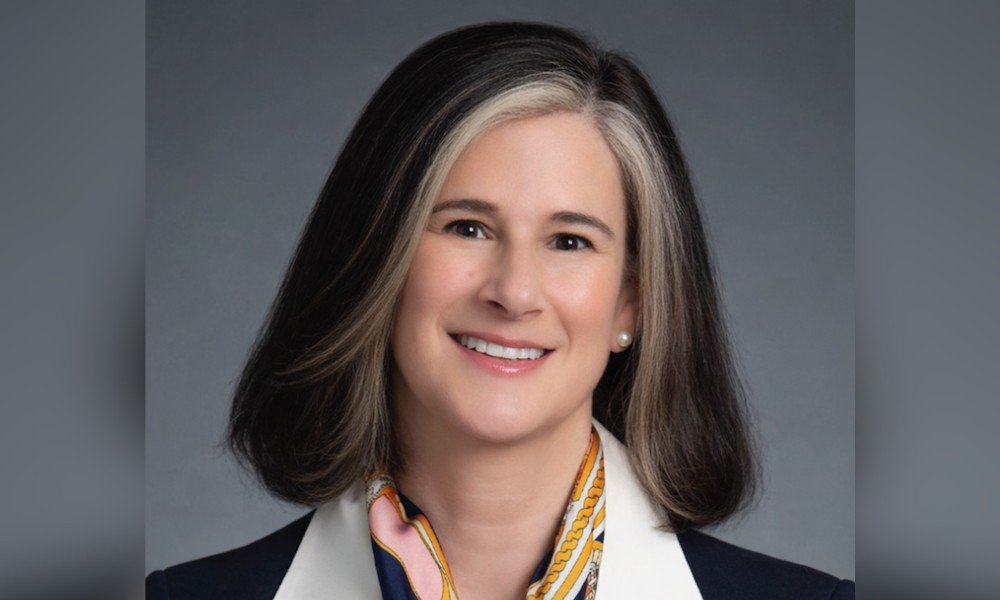
The surge comes as Cerulli Associates projects a $124 trillion transfer of wealth in the United States through 2048, with more than $1 trillion expected to move annually by the early 2030s. Blended families, multi-state property holdings, and staged inheritances are pushing more households toward trusts rather than a standalone will, LegalShield said. Rebecca A. Carter, a LegalShield provider lawyer with Friedman, Framme & Thrush, noted that while trusts were once seen as tools for the ultra-wealthy, the Baby Boomer generation now holds about half of the country's wealth, and families want control over where it goes.
The awareness-action gap persists
Despite the rise in inquiries, ownership of basic estate planning documents remains low. LegalShield's companion survey, fielded in July among 1,850 U.S. adults, found that 94% believe a will is important, yet only 46% actually have one. A third of respondents reported having none of a living trust, financial power of attorney, or healthcare directive in place.
Trust & Will's 2026 Estate Planning Report, based on a survey of 5,000 U.S. adults conducted in late January and early February, found that 56% have no estate planning documents at all—no will, trust, medical power of attorney, financial power of attorney, or HIPAA authorization—essentially unchanged from 55% a year earlier. Notably, will ownership fell five points year over year, from 31% to 26%, while trust ownership rose three points to 14%, suggesting that those who are acting are choosing more comprehensive planning vehicles.
Cost is widely assumed to be the top obstacle, but LegalShield's data suggests otherwise. More than a quarter of respondents believe a complete estate plan costs more than $2,500, and nearly one in five have no idea what it costs. Yet among those missing key documents, simple procrastination was the most-cited reason at 27%, ahead of cost, confusion, or not knowing where to start. Trust & Will's survey found a similar pattern, with 27% citing a belief they don't have enough assets to need a plan, 23% citing procrastination, and 17% saying they don't know where to start. The report noted that cost and not knowing where to start have each dropped roughly 10 percentage points since 2025.
In a separate study by BNY Wealth focusing on ultra-high-net-worth individuals, 53% acknowledged that their own estate plans are not yet fully complete.
Advisors are becoming the preferred entry point
For financial advisors, the more consequential data may come from Trust & Will's 2026 Financial Advisor Report, based on a June survey of 1,500 U.S. adults. It found that 61% of Americans now say financial advisors should offer estate planning as part of their services. More striking for practice management: 68% of clients who already have an advisor say they would consider switching to one who offers estate planning services, including nearly 40% who call themselves "very likely" to switch.
That risk is loaded more heavily among the next generation. Among advised Gen Z and Millennial clients, roughly 8 in 10 say they would consider switching advisors over the issue, compared with about a quarter of advised Baby Boomers. The same younger cohorts are also driving overall advisor adoption: 31.2% of Americans now have a financial advisor, up from 26.9% in 2025, with Gen Z adoption climbing from 28.2% to 41.7% and Millennial adoption from 28.5% to 38.5%, even as Baby Boomer adoption slipped from 31.1% to 24.3%.
Advisors who raise the subject appear to be having an impact. More than 80% of advised respondents said their financial advisor has brought up estate planning at least once, and 56% said the conversation made them feel more urgency about creating or updating a plan, with almost none reporting the opposite effect. Economic conditions appear to be reinforcing the trend. Roughly half of Americans said economic conditions over the past year made them more motivated to get their estate planning in order, and 54% reported increased financial anxiety over the same period—both figures skewing highest among Gen Z and Millennial respondents.
For advisors, the data underscores an opportunity to differentiate. As probate costs vary widely by state, trust adoption is rising in high-fee regions. Meanwhile, advisors are adapting to the OBBBA's estate, QSBS, and SALT changes, which may further drive demand for planning. The message is clear: advisors who proactively discuss estate planning can strengthen client relationships and attract new business, especially among younger investors.