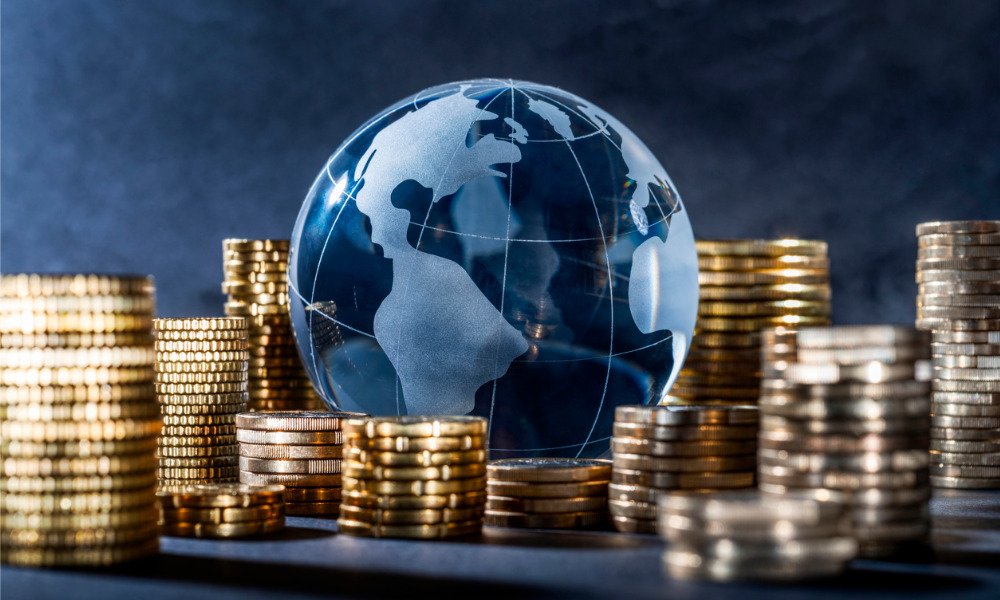
The number of individuals worldwide with at least $30 million in net worth surged to an all-time high of 556,850 in 2025, according to the World Ultra Wealth Report 2026 from data firm Altrata. The 14.4% annual increase marked the strongest growth since 2017 and the second consecutive year of double-digit expansion. Their combined net worth rose 14.3% to $63.8 trillion, a sum exceeding the annual gross domestic product of the United States.
All major asset classes delivered positive returns for the first time since the pandemic, with global equities posting double-digit gains for a third straight year. Lower inflation, steady fiscal and monetary support, resilient corporate earnings, and sustained enthusiasm for artificial intelligence investments buoyed wealthy portfolios, even as geopolitical tensions and shifting U.S. trade policy created periodic turbulence.
North America Dominates, Asia Surges
North America remained the leading ultra-wealth region, with its UHNW population rising 15% to 224,470 individuals. The United States alone accounted for 206,880 ultra-wealthy people, or 37% of the global total—a share larger than the combined count of all other top-10 countries. Their cumulative net worth stood at $23.8 trillion, nearly four times that of second-ranked China. Canada added 17,590 UHNW individuals, up 13.2% year-over-year, with combined wealth of $2.0 trillion.
Asia solidified its position as the second-largest ultra-wealth region, with its UHNW population growing 15.8% to 141,890, lifting its global share above 25%. South Korea's tech-heavy equity markets were among the world's top performers, fueled by soaring demand for semiconductor memory chips. Seoul recorded the standout city-level gain, with its UHNW count rising by more than a third to 6,220, pushing it into the top 12 cities globally for the first time.
Europe's ultra-wealthy class expanded at a similar pace to North America, reaching 140,140 people despite sluggish economic conditions in Germany, the United Kingdom, and France. Investor diversification away from U.S. assets, strong currency appreciation against the dollar, and central bank easing supported portfolio values. The region's cumulative UHNW net worth rose 15.2% to $16.3 trillion.
By contrast, the Middle East lagged significantly. Ultra-wealthy numbers grew just 4.4% to 22,880, weighed down by a near-20% annual decline in oil prices—the steepest since 2020—and equity market underperformance. Cumulative UHNW net worth in the region edged up only 1.9% to $3 trillion.
City Rankings and Long-Term Trends
New York retained its status as the world's premier ultra-wealthy city, home to nearly 24,000 UHNW individuals. Hong Kong's UHNW population surged 26% to 18,290, reflecting renewed capital inflows, equity market gains tied to deeper integration with mainland Chinese markets, and growing demand for private banking and family office services. The report also highlighted that since 2004, the ultra-wealthy population has grown by a cumulative 255%, expanding seven times faster than the global adult population. The number of centi-millionaires—those with net worth above $100 million—reached more than 117,000 in 2025, nearly double the 60,000 recorded in 2015, driven largely by the technology boom.
Looking ahead, Altrata projects the global UHNW population will reach 746,570 individuals by 2030, an increase of roughly 190,000 from the 2025 level, representing average annual growth of 6%. Their combined net worth is expected to rise by a third to $85 trillion. Asia is forecast to register the fastest regional growth rate among the three major wealth centers, though North America will retain its top global ranking. Among cities, Delhi is projected to be the fastest-growing UHNW market to 2030, with an average annual growth rate of 11.3%, followed by Stockholm at 10.8% and Wuhan, China, at 10.3%. Melbourne and Guangzhou round out the top five.
The report notes that the first half of 2026 has brought renewed market volatility, with geopolitical tensions—including the U.S.-Israel conflict with Iran—rattling global equity markets and reinforcing UHNW demand for portfolio diversification, private capital, and sophisticated family office structures. For advisors, these trends underscore the importance of offering deep credit, planning, and investment capabilities, as highlighted in a recent InvestLin analysis of UHNW client demands. Meanwhile, a BNY Wealth survey found that 96% of ultra-HNW investors use AI weekly, yet advisors remain a crucial human check.