Artificial intelligence has moved from experimental curiosity to a daily utility for America's wealthiest investors, according to a new study from BNY Wealth. The report, conducted by The Harris Poll among 251 individuals with at least $10 million in investable assets, found that 96% use AI personally at least once a week, 89% invest in companies with significant AI exposure, and 54% already rely on AI to inform financial decisions.
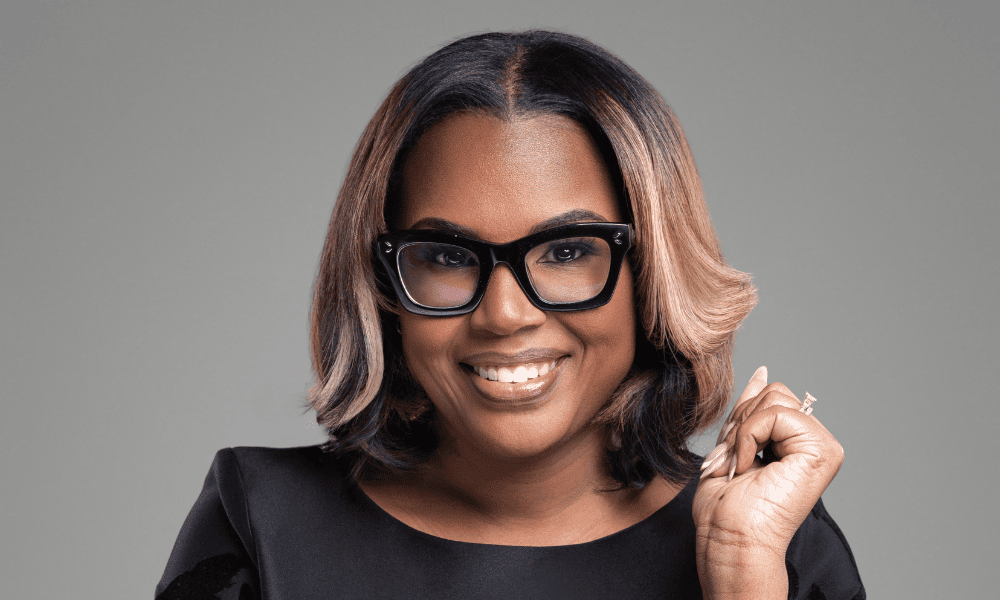
Kevin Shea, a director and senior equity strategist at BNY Wealth in New York, who has covered technology and communications for over two decades, said the shift is unmistakable. "AI has definitively gone mainstream with ultra-high-net-worth clients," Shea said. "It's in their personal lives, their professional lives, their financial lives."
The study revealed that 83% of ultra-high-net-worth individuals use AI-driven tools for investment choices, with one in ten saying their decisions are now primarily AI-led. The most common financial application is investment research, cited by 76% of respondents, followed by portfolio analytics at 63%. Shea noted that his own team has become six times more productive in the past two years, using AI to aggregate data and articulate investment views faster than before.
Portfolio managers and wealth advisors using AI-augmented tools can now identify exposures to interest rate volatility, currency risk, and emerging market movements with precision that was previously unattainable, Shea explained. This capability is reshaping how advisors serve clients, particularly as clients themselves arrive at meetings better prepared. More than a third of respondents said AI has made their advisor relationships more data-driven, and 25% reported increased collaboration.
Despite the technology's advances, the study underscores the enduring value of human expertise. A full 94% of ultra-high-net-worth investors believe AI is most effective when paired with human judgment, and 91% say they need to understand how AI reaches its conclusions before acting on them. Shea emphasized that "expertise on our side is even more important today than it was before," noting that large language models can produce misleading answers or hallucinations, especially in extended conversations.
Privacy remains a significant concern. The survey found that 57% of ultra-high-net-worth investors believe AI makes wealth management less transparent, and 56% worry about data misuse, even though 72% expressed confidence in the security of data shared with AI financial tools. To address these issues, BNY Wealth built its own proprietary AI platform, Eliza, named after the wife of founder Alexander Hamilton. Shea said the platform uses multiple AI models depending on the task while keeping client data protected in a secure, governed environment. "We know that when we use our model, even if we leverage third-party AI models, that the external providers do not use client data to teach their models," Shea said.
To verify AI outputs, Shea recommends marking every number and strong statement for double-checking, and building a cabinet of AI models that can fact-check each other. Educating clients on AI's limits is also part of the work. Shea compared the current moment to the early days of WebMD, when people thought they could diagnose themselves. "We're kind of having a resurgence of that—except AI can go to any topic," he said.
The findings align with broader industry trends. For example, Rockefeller Capital Management recently partnered with Anthropic to build an AI platform for ultra-high-net-worth advisors, and a pension fund has sued Microsoft over Copilot AI adoption. As AI becomes more embedded in wealth management, the role of the advisor as a final human check appears to be growing, not shrinking.