The financial fallout from late-life divorce is becoming a central challenge for wealth managers, as the share of splits among Americans 50 and older has more than doubled since 1990, according to the National Center for Family and Marriage Research. Data cited by The New York Times now puts roughly 40% of all U.S. divorces in that age bracket. Unlike younger couples, who have decades to rebuild, those divorcing in their 50s and 60s face compressed timelines and the unraveling of decades of joint retirement planning.
A July 2025 study from Allianz Life Insurance Company of North America found that 56% of married Americans believe a divorce would derail their retirement strategy, with the figure rising to 67% among Hispanic respondents. For advisors, the message is clear: gray divorce is no longer a niche concern but a planning scenario that demands immediate, income-focused intervention.
Emotion-driven decisions are the biggest pitfall
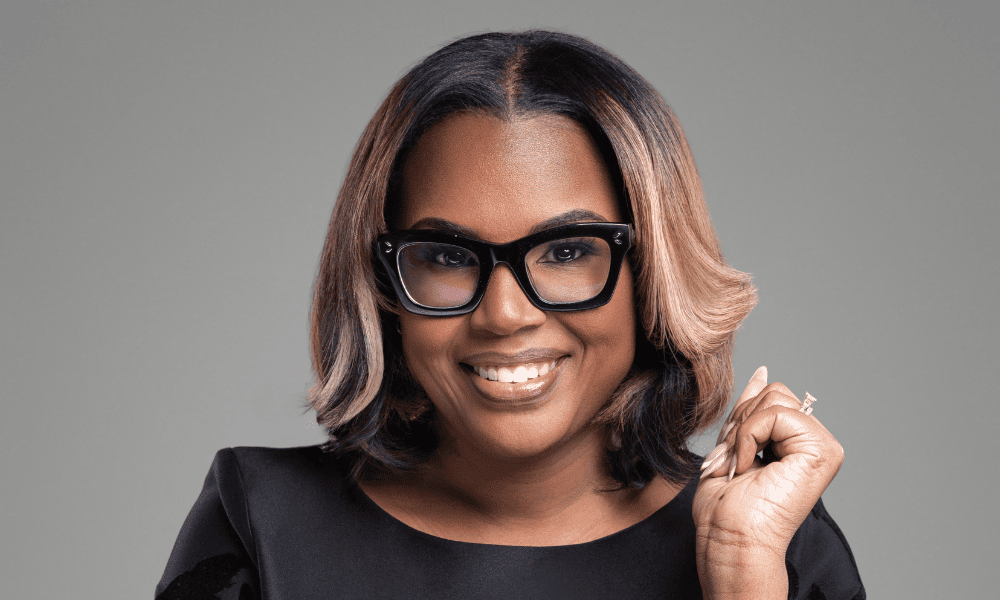
Tracy Byrnes, vice president of Women and Investing at Lebenthal Global Advisors, a registered investment advisor in Hauppauge, New York, says the most destructive pattern she sees is clients making permanent financial choices based on temporary emotions. "At mid-life, retirement is no longer an abstract concept," Byrnes said. "You're close enough that every financial decision has a meaningful impact on your future cash flow. So before you settle—stop asking yourself, 'Am I getting half?' and start asking, 'Will this generate the income I need to retire?'"
Byrnes begins every gray divorce engagement with a full inventory of assets—income sources, pensions, Social Security benefits, retirement accounts, stock compensation, and insurance—then projects future cash flow rather than simply calculating net worth. The distinction is critical: a large account balance does not guarantee a reliable income stream. "Many people are surprised to learn that a million-dollar retirement portfolio doesn't necessarily translate into financial security if it isn't producing enough income," she noted.
Illiquid assets—real estate, family businesses, vacation properties—pose particular challenges. Clients often assign emotional value that exceeds financial reality. "A fair settlement isn't necessarily an equal division of every asset," Byrnes said. "Sometimes one spouse keeps an illiquid asset while the other receives more liquid retirement assets that provide flexibility and income. The question isn't, 'Who gets the house?' It's more about—'Which combination of assets gives each person the best chance of financial independence going forward?'" Time is the variable that changes everything: "A 35-year-old has decades to recover from financial mistakes. Someone divorcing at 58 doesn't."
Professional sequencing matters
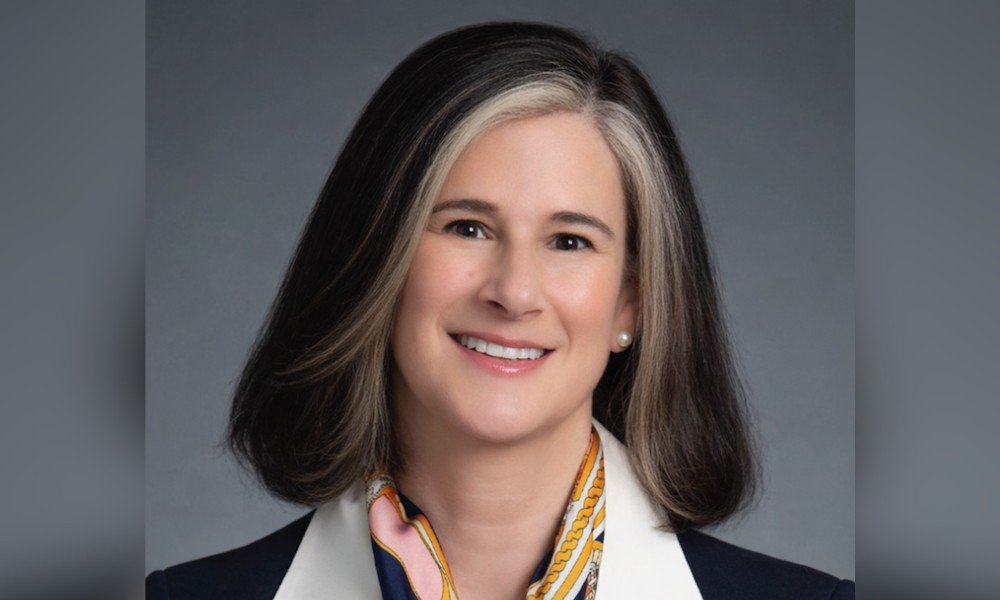
Pam Friedman, managing director and principal at Robertson Stephens, an Austin, Texas-based wealth management firm with more than 30 years of planning experience, says two preventable mistakes surface at the start of almost every gray divorce engagement: clients rush to divide assets before fully understanding what they have, and they hire an attorney before identifying what kind of professional guidance they actually need most.
"A mid-life divorce is uniquely vulnerable to financial missteps," Friedman said. "While younger couples have time on their side to recover from financial mistakes, mid-life couples do not have the same luxury." She starts by gathering financial documents and preparing a full personal balance sheet—what attorneys call an inventory. Looking inside accounts matters: a brokerage account may contain low-basis stock or private investments that require different handling at division; a tax return may reveal valuable loss carryforwards or previously undisclosed assets.
Her advice on professional sequencing is direct: a Certified Divorce Financial Analyst (CDFA) should often be engaged before a family law attorney, unless there is abuse or illegal financial conduct such as hidden assets. "If money is an issue, hire a CDFA first," Friedman said. "Divorcing couples need to recognize that hiring more professionals can be less expensive in the long run, not more. Good divorce professionals—like family law attorneys, divorce coaches, and couples therapists—know they don't have time to keep up with ever-changing financial or tax issues. They are the ones that bring financial professionals to the table."
Friedman also builds post-divorce income and spending models based on assumed asset divisions to identify gaps—points where a client will need to work longer, spend less, or both. She ensures that financial obligations tied to an ex-spouse are accounted for, including what happens in the event of that ex-spouse's disability or death. "We can't spin straw into gold, but our clients gain financial literacy and are better prepared to move forward with their financial lives," she said.
For advisors looking to deepen their approach, the retirement income planning gap is a related concern, as many clients delay planning until a crisis hits. Similarly, Allianz research on retirement spending readiness highlights how behavioral tendencies can undermine even well-structured plans. And for those advising business owners, succession planning gaps can complicate asset division when a family business is involved.
Kevin Thompson, founder and CEO of 9i Capital Group LLC, a Fort Worth, Texas-based wealth management firm, says one of the most common and damaging scenarios is when the primary breadwinner leaves with half the assets, leaving the other spouse—often the one who sacrificed career advancement—with insufficient income. Thompson emphasizes the need to rebuild retirement from scratch, focusing on Social Security claiming strategies, part-time work, and investment allocations that prioritize income over growth. "The math changes completely when you're dividing one retirement into two," he said. "Advisors must model multiple scenarios and stress-test for longevity, healthcare costs, and market volatility."
As gray divorce becomes more prevalent, advisors who can navigate the intersection of emotion, tax, and cash flow will be indispensable. The key is to move beyond simple asset splitting and toward a holistic plan that ensures each client can achieve financial independence in the years ahead.