Iran's decision to halt diplomatic talks with the United States and its threat to block the Strait of Hormuz sent oil prices sharply higher on Monday, reversing weeks of declines fueled by hopes for a nuclear deal. Brent crude futures jumped more than 4% to exceed $95 a barrel, though prices remain well below the wartime peak of $126 reached earlier this year.
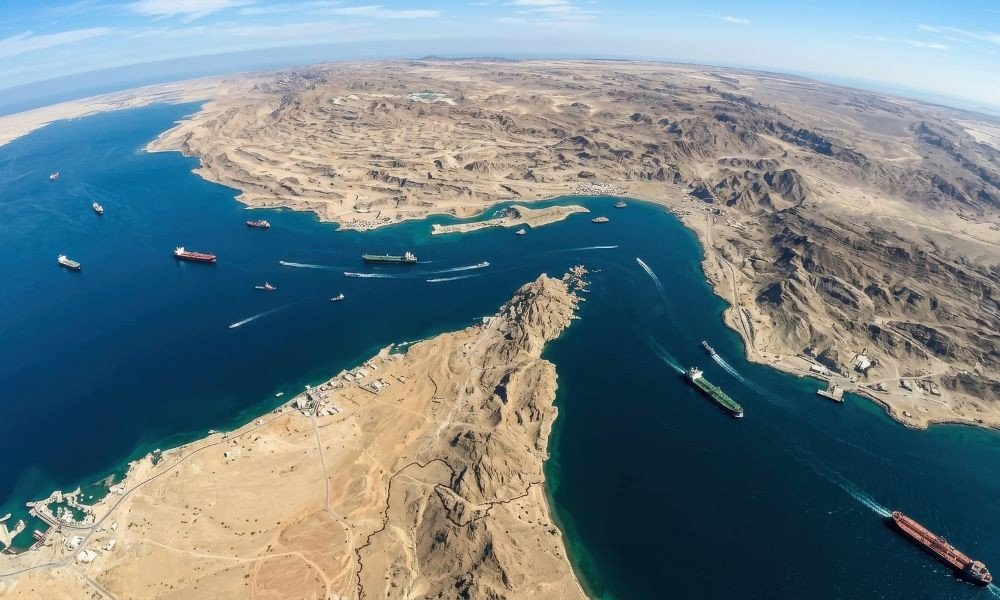
The announcement, carried by Iran's Tasnim news agency on Telegram, cited Israel's ongoing military operations in Lebanon targeting the Iran-backed Hezbollah militia as the reason for suspending what it called “dialogues and exchange of texts” with Washington. Tehran stated it would not resume talks until Israel ends its campaigns in Gaza and Lebanon, and reiterated its intention to “completely block” the Strait of Hormuz, a narrow waterway through which roughly 20% of the world's oil—about 20 million barrels per day—transits.
The White House pushed back on the Iranian report. President Donald Trump posted on Truth Social that “talks are continuing, at a rapid pace, with the Islamic Republic of Iran.” The U.S. Central Command did not immediately respond to requests for comment.
The Strait of Hormuz has been a persistent flashpoint. According to a New York Times report citing officials, the U.S. Central Command has guided approximately 70 commercial ships through the strait over the past three weeks. However, Paul Christopher, head of Global Investment Strategy at the Wells Fargo Investment Institute, noted in a research note that this pace—about three ships per day—is a fraction of the pre-war daily average of 100 vessels. “The world has lost over a billion barrels of oil since the war began,” Christopher wrote, adding that the U.S. and other nations have drawn down strategic reserves, subsidized household energy costs, and imposed work-from-home requirements to curb demand.
Dr. Fatih Birol, executive director of the International Energy Agency, warned that while the IEA released a substantial volume of oil stocks in March and countries and companies hold individual reserves, these measures are not a permanent fix. “All of them put together is not a solution to the problem,” Birol said at a Chatham House event in London. “The single most important solution to the problem is fully and unconditional opening of [the] Strait of Hormuz.” He cautioned that the upcoming summer travel season, beginning in late June and early July, will increase oil demand, potentially pushing markets into a “red zone” by July or August absent improvements in the situation.
On the domestic front, Christopher noted that several U.S. states—including Georgia, Indiana, Kentucky, and most recently Utah—have enacted temporary gas-tax holidays to ease pressure at the pump. He suggested that Washington could suspend the 18-cents-per-gallon federal gas tax, though no federal policy has been announced. “At some point, we could see the U.S. government move to limit crude oil and refined product exports, which would definitely hurt our allies, which have sent a tanker armada of record size to fill up with U.S. crude oil and products,” Christopher added.
The latest developments underscore the fragility of energy markets and the challenges facing financial advisors who must navigate heightened volatility for clients with exposure to oil and related sectors. For context on the broader geopolitical backdrop, see Trump Rejects Iran's Counteroffer, Strait of Hormuz Tensions Persist and Strait of Hormuz Tensions Weigh on Markets as Trump's 'Project Freedom' Lacks Clarity.