Morgan Stanley Wealth Management has enrolled more than 320 CFP professionals in its pro bono financial planning initiative, making it one of the largest such programs in the industry. A new case study from the Foundation for Financial Planning (FFP) examines how the wirehouse achieved this scale through deliberate cultural and operational choices.
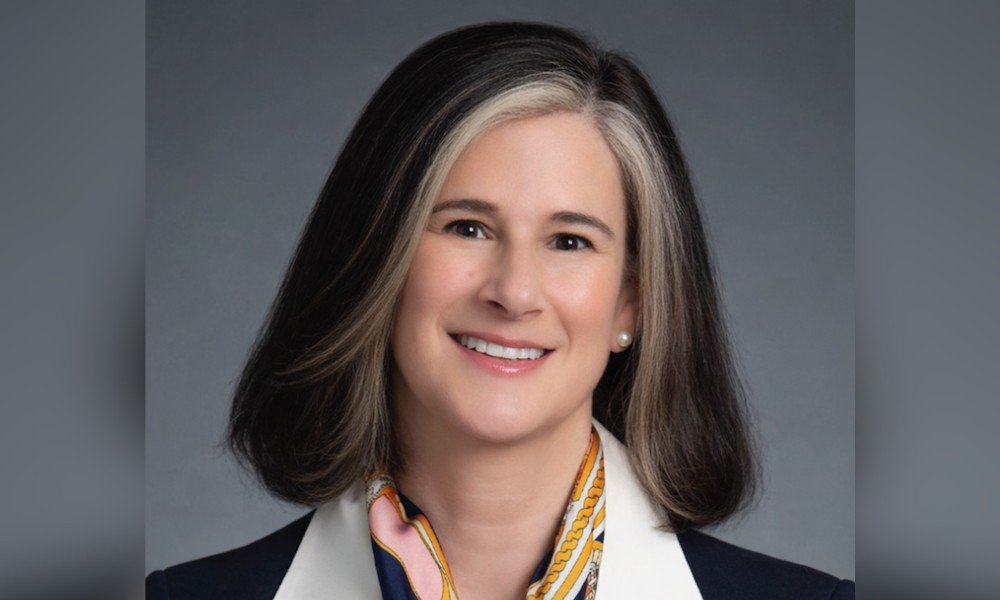
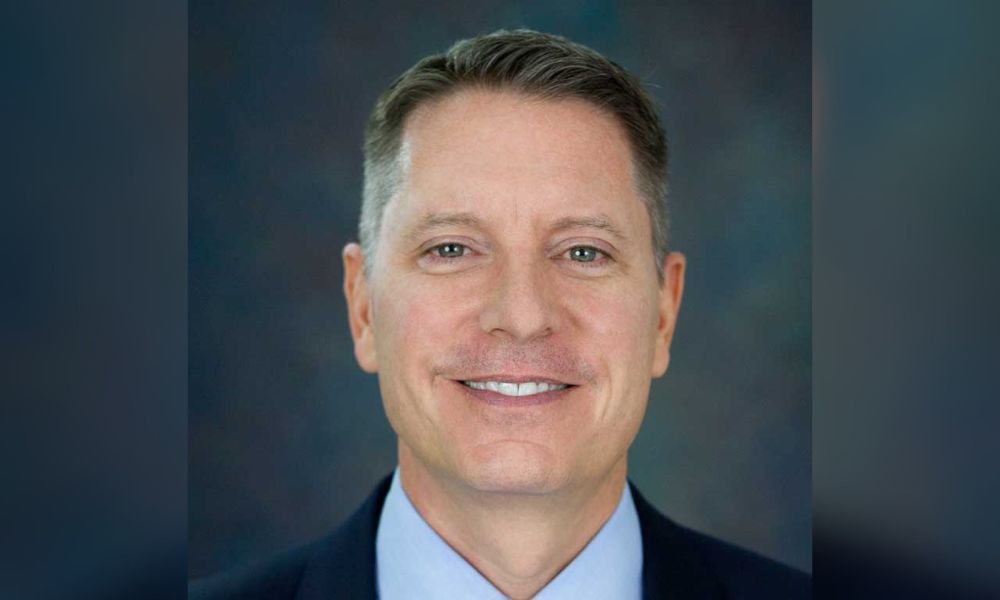
FFP CEO Jon Dauphiné told InvestmentNews that the program's success began with visible leadership. Anthea Tjuanakis Cox, Morgan Stanley's head of financial planning, championed the effort and linked it to the firm's core value of 'giving back.' The initiative launched during the firm's Global Volunteer Month in June, offering advisors a skills-based volunteering opportunity that leveraged their expertise. Advisors are encouraged to continue pro bono work throughout the year.
Operationally, Morgan Stanley allows advisors to volunteer during normal working hours with manager approval. Hours logged during Volunteer Month are tracked at the firm level. Employees are also encouraged to include pro bono service in their annual goal-setting and performance reviews, reinforcing that the firm values such work as part of professional development.
The firm built a dedicated online sign-up portal, ran internal email campaigns, held community calls, and directed advisors to the CFP Board's recommendation that all planners deliver at least 20 hours of pro bono service annually. These steps helped embed pro bono into the firm's compliance infrastructure and advisor culture.
FFP's 2023 survey of more than 1,200 CFP professionals found that virtually all who do pro bono are motivated by the satisfaction of helping people in need. Over 70% also cited the skills and practice gained from exposure to new clients and issues, while 57% noted positive business impacts such as employee satisfaction, recruitment, and public relations. Strong majorities reported that pro bono service strengthened their abilities across 15 areas tied to CFP Board's principal knowledge topics.
Soft skills also improved: 71% of advisors reported better client listening and communication, 73% gained experience with a more diverse client base, and 56% saw leadership development. Advisors under 35 agreed at higher rates across all categories, suggesting pro bono is particularly valuable for younger talent.
The recruitment and retention implications are significant. FFP's 2024 survey of aspiring CFP professionals found that 88% plan to fulfill the recommended 20 hours of pro bono service each year once certified, and 96% said the pro bono movement makes them feel more positively about the profession. Among currently certified advisors, about half prefer to work at a firm with an encouraging pro bono policy, rising to 55% among women and those under 35. However, only 28% believe their current employer has such a policy.
Dauphiné emphasized that this gap presents a meaningful opportunity for firms to differentiate themselves as employers of choice. For firms building a program from scratch, he recommended assessing cultural fit, assigning a firm-level leader, and consulting compliance and HR teams before directing advisors to FFP's training and matching platform. His most pointed advice: 'Be authentic. Don't say pro bono will be valued if the firm's culture and policies don't support it.'
FFP aims to mobilize one-third of all CFP professionals into pro bono service by 2030, which would enable at least 100,000 American families to receive free financial guidance each year. Achieving that goal will require more structured employer participation, expanded training, deeper nonprofit partnerships, and earlier engagement with students in CFP Board-registered programs.
For advisors and firms looking to strengthen their practice, pro bono service offers a dual benefit: helping underserved communities while building skills and attracting top talent. As the industry evolves, programs like Morgan Stanley's may become a competitive necessity rather than a differentiator.