Mounting affordability challenges in the U.S. housing market are accelerating a shift toward multigenerational living, with new data suggesting that boomerang arrangements are becoming a financial necessity rather than a temporary fallback. Thrivent's latest survey, released in early 2025, found that 44% of parents with children aged 18 to 35 have had an adult child move back home, reflecting the growing scale of the trend.
The shift comes as housing conditions remain difficult despite a cooling market. While home price growth has slowed to just 0.7% annually, according to recent data, buyers are still contending with elevated borrowing costs, high prices, and steep down payment requirements, leaving many unable to enter the market. As a result, returning home is increasingly viewed as a practical financial step.
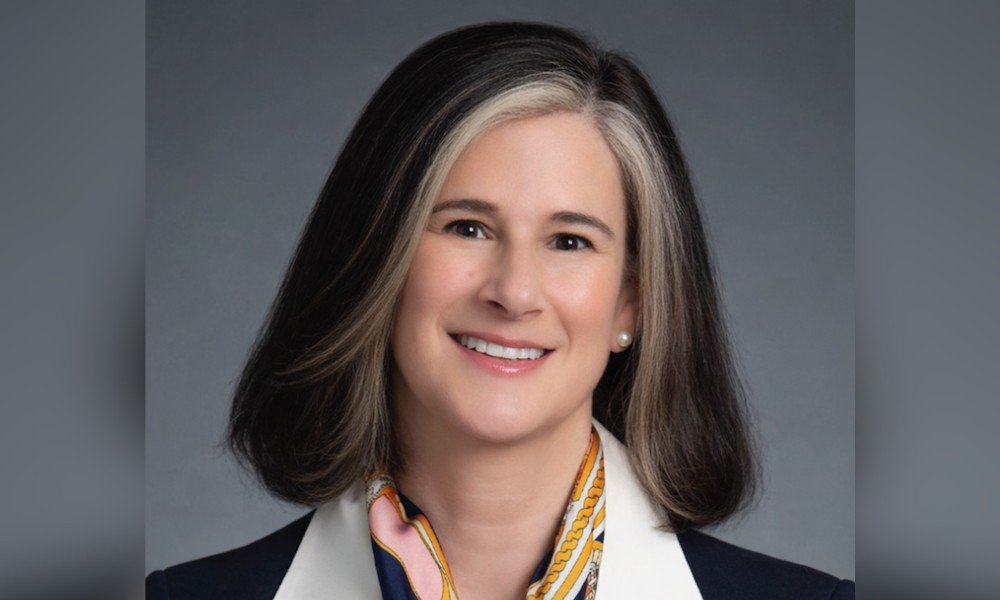
"Adult children moving back in with their parents has shifted from stigma to strategy – for both parents and kids," said Gene Elder, a senior executive at Thrivent. "Five years into Thrivent's survey, we've found that boomerang living is not a blip; it's becoming a lasting part of how families plan their money and keep moving toward their long-term financial goals."
Financial pressure is the primary driver. Among young adults who have moved back, 55% say the decision was necessary, while another 27% cite clear financial advantages. Housing affordability remains a central barrier, with many facing a combination of high rents and limited savings capacity. Even as rents have eased slightly from peak levels, they remain significantly higher than just a few years ago, continuing to restrict the ability to build a down payment.
The longer-term impact is reshaping expectations. Among adults aged 27 to 35 who have not yet purchased a home, 30% say they do not expect to ever do so. At the same time, confidence in near-term homeownership is weakening more broadly. Only 25% of non-homeowners expect to buy within five years, with many pushing timelines further out or abandoning plans entirely. For context, the U.S. housing market continues to stall as affordability pressures persist.
For families already navigating boomerang living, the arrangement is often extended. More than half of parents expect their adult child to remain at home for at least a year. Younger adults are using the time to stabilize finances. About 34% say living with parents helps them save for a future home purchase, while many anticipate achieving financial independence within the next decade.
However, the arrangement carries financial consequences for parents. Nearly half report experiencing strain from supporting an adult child, and many are adjusting their own spending, or even long-term savings, to help. This dynamic may also intersect with broader wealth-transfer trends, as noted in the UBS report on the $83 trillion wealth transfer reshaping heirs' roles and advisor strategies.
With affordability pressures keeping buyers sidelined and delaying homeownership, boomerang living is increasingly becoming a structural feature of the financial landscape rather than a temporary response. Advisors may need to incorporate these multigenerational dynamics into financial plans, especially as clients navigate the tension between supporting adult children and preserving their own retirement security. For further context on how families are adapting, see the case for naming a successor before you need one.