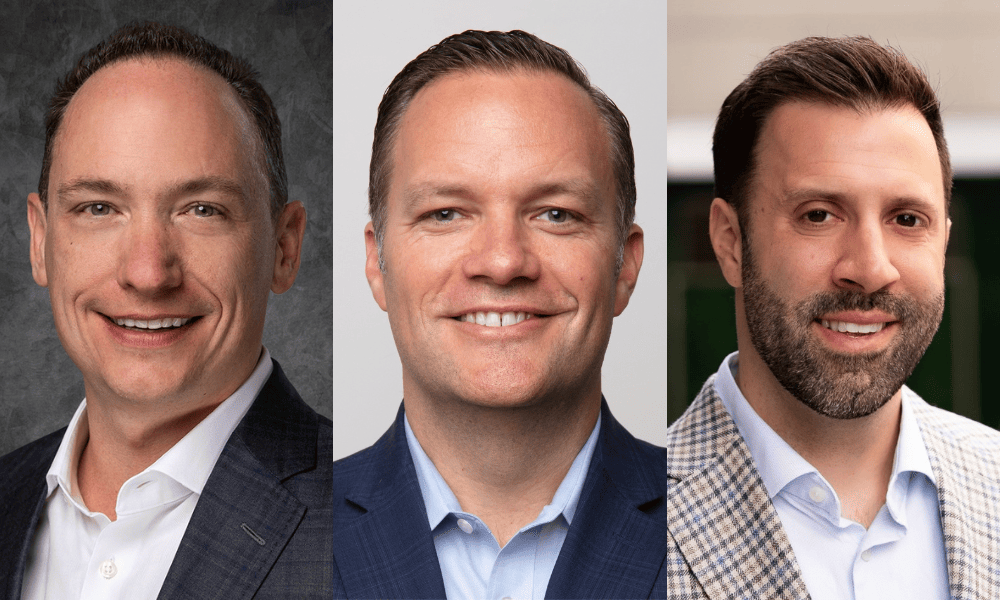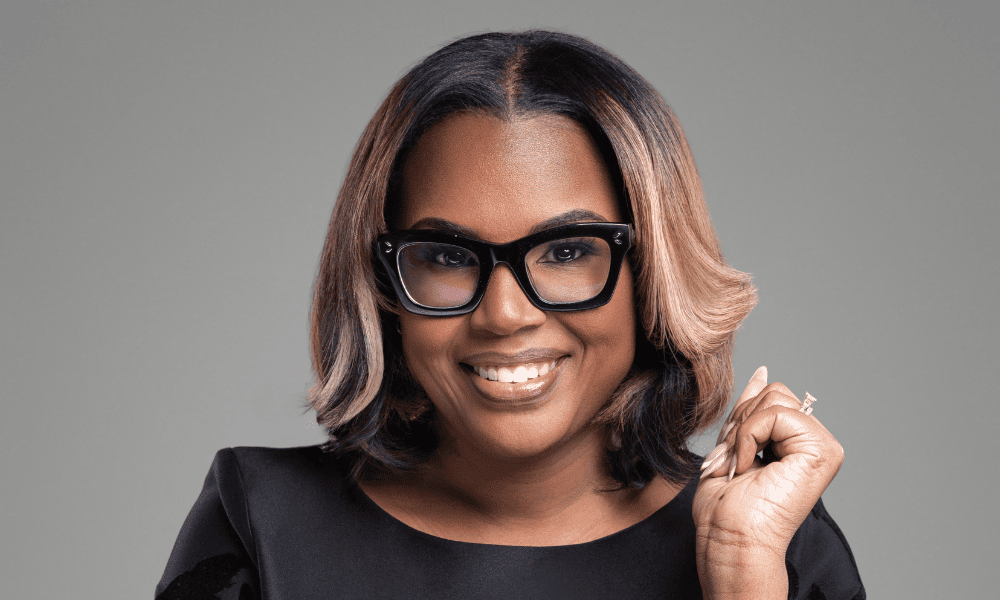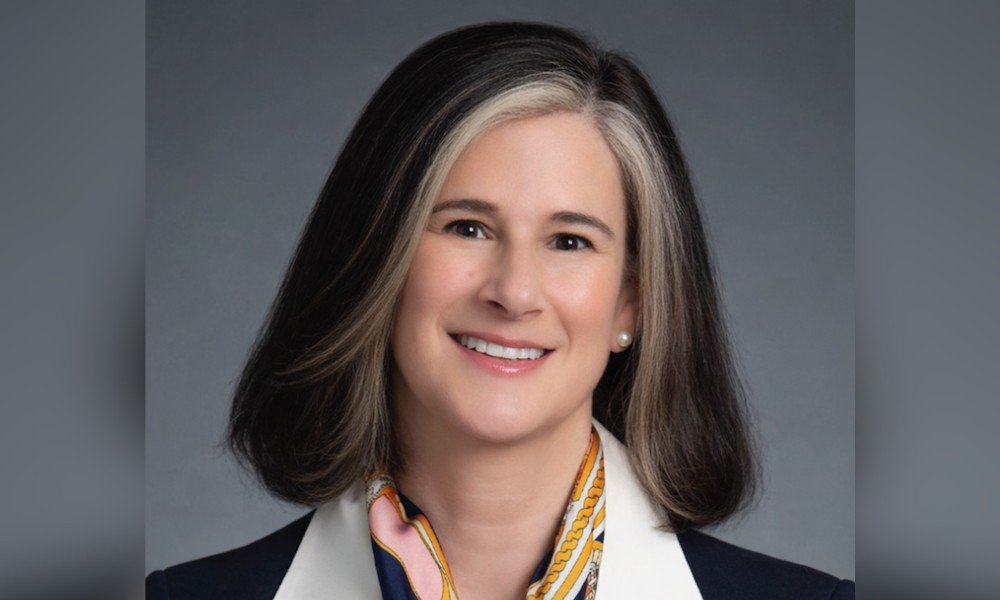
Technology has become a critical factor in custodian selection for independent RIAs, with a 2026 industry survey cited by CircleBlack revealing that 93% of RIA firms with state-of-the-art systems won clients from competitors with inferior technology. Additionally, 92% of clients said they would switch firms over poor technology, and 44% already have. As AI, data integration, and third-party vendor ecosystems grow more complex, the phrase "open architecture" appears in nearly every custodian's marketing pitch. Three advisors and technology leaders say the term has become almost meaningless and that the right questions reveal far more than the label ever could.
Pressure-test integration, not integration counts
Noel Stave, chief technology officer of RBC Clearing & Custody, argues that "open architecture" has become the industry's "most meaningless" marketing label. Stave, who has spent over 25 years at RBC across finance, operations, and technology roles, most recently as COO before assuming the CTO position in April 2021, believes real open architecture is about operationality and ease of doing business—not the length of a custodian's integration partner list. The number of logos on a vendor marketplace page tells an advisor almost nothing. What matters is which integrations are actually live, how long onboarding took, and how willing the custodian is to work with the advisor's vendors rather than steering them toward preferred partners.
"Pressure-test three things: What's their integration approval process and turnaround? What are the real costs of building and maintaining the integration? And critically, how willing are they to work with your vendors, not just their preferred partners? Integration success requires modern infrastructure, great people to support that infrastructure, and honest answers—not positioning," Stave said. He also pushes back on the premise that any single custodian can or should be the center of an advisor's technology universe. Most mid-to-large RIAs use multiple custodians—because no single provider excels at everything, and because client preferences can drive custody selection. Nearly 30% of RIAs now use two or more custodians, according to a 2026 custodian comparison analysis. What advisors need, Stave argues, is not a custodian that owns every solution, but one that serves as a reliable infrastructure backbone for an advisor's broader tech ecosystem.
Clean data is the foundation—and the differentiator
Joe McQuaid, chief operating officer at Concurrent Investment Advisors, defines open architecture in operational, not marketing, terms. For McQuaid, true open architecture means giving RIA firms genuine ownership and control over their technology platform: exposed APIs, timely and complete data access, support for best-in-class third-party applications, and no friction when advisors choose solutions outside the custodian's own ecosystem. His firm evaluates custodians on four criteria: how easily they integrate with core platforms, how quickly data is available after transactions, how responsive they are to enhancement requests, and whether they enable innovation rather than constrain it.
"The ultimate question is simple: does the custodian make it easier for us to build a differentiated advisor experience, or does it force us to conform to theirs? Independent advisors need a custodian that serves as an infrastructure partner, not the center of the technology platform," McQuaid said. He adds that the AI dimension is reshaping data requirements entirely. As firms move beyond chatbots toward AI agents that automate workflows, generate real-time insights, and support advisor decision-making, clean and normalized custodial data becomes the essential foundation. That means real-time APIs, standardized data models, and access that allows AI systems to securely interact with client information across the entire technology stack—requirements that only become more demanding as AI adoption accelerates.
Think RIA first, custodian second
James Spinelli, co-founder and CEO of Great Valley Advisor Group, offers the most practitioner-facing definition. For Spinelli, open architecture is not primarily a technology question. It is a business design question: can an advisor build the firm they want without being forced into a proprietary ecosystem? "An advisor with a $100 million retirement practice has different needs than a $1 billion multi-family office," Spinelli said. "Open architecture allows each firm to choose the solutions that best serve their clients while maintaining a consistent operational experience."
His broader advice to advisors is to reorder their thinking: RIA first, custodian second. A custodian's primary role is to safely hold client assets. The RIA—or the platform supporting it—should be the source of technology, operational support, compliance infrastructure, and the integrated experience that clients actually interact with. If that logic holds, then custodian portability becomes a design principle, not an emergency option. "The best RIAs offer a true single pane of glass across multiple custodians, giving advisors the flexibility to choose the right solution for their clients without disrupting their business. If service, pricing, or technology at one custodian changes, you should have the freedom to move your business, not rebuild your entire practice," Spinelli said.
Taken together, the three perspectives converge on a single practical insight: the right custodian relationship is one that makes independence genuinely possible, not one that recreates the constraints advisors left behind when they went independent in the first place. The label matters far less than the answers to the specific, operational questions that reveal what a custodian's architecture actually delivers in practice. For more on how advisors are navigating independence, see Three Advisors Detail Hidden Costs of Independence and Hightower Signature Wealth Adds $5B.