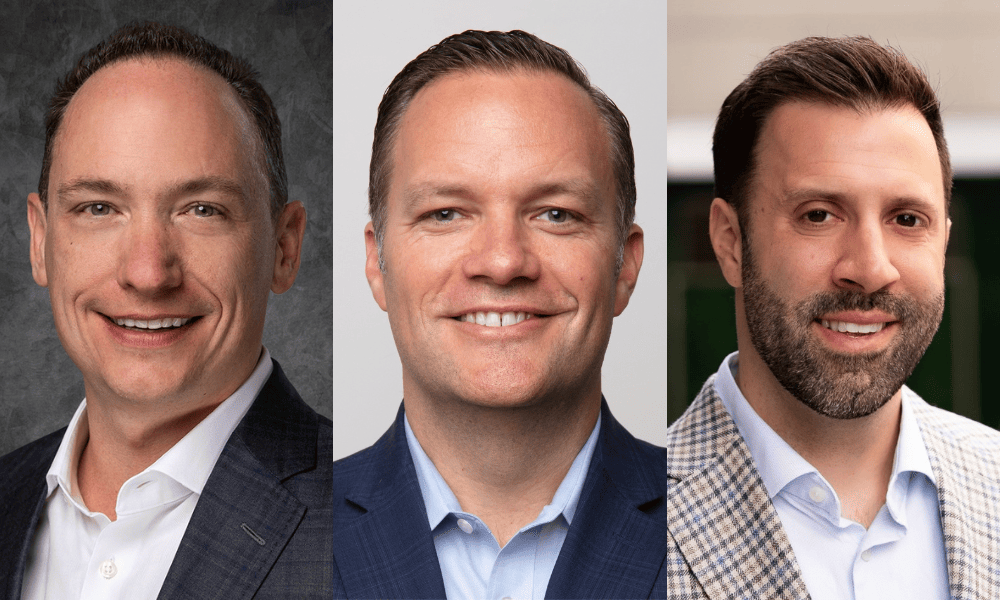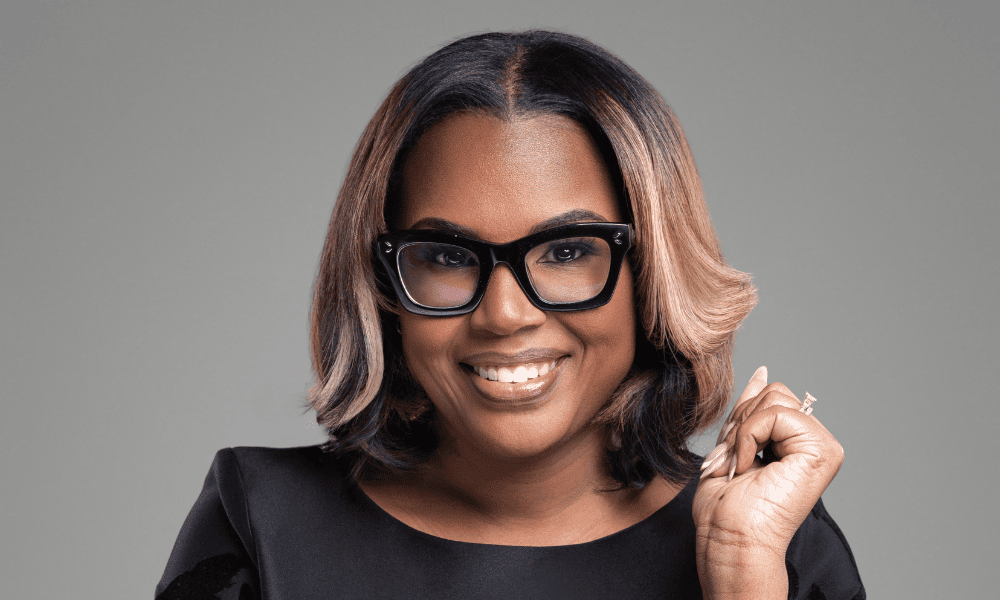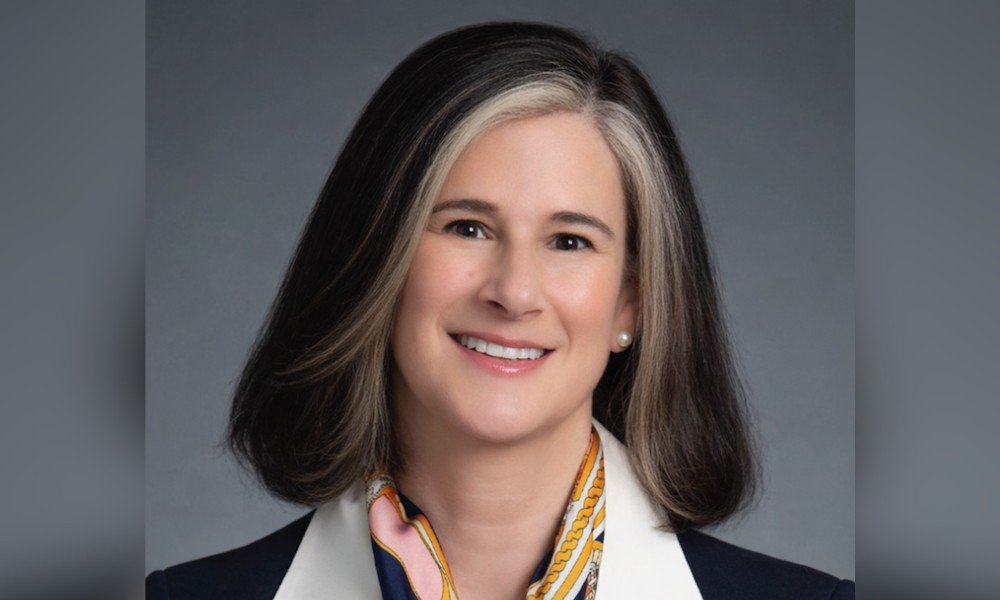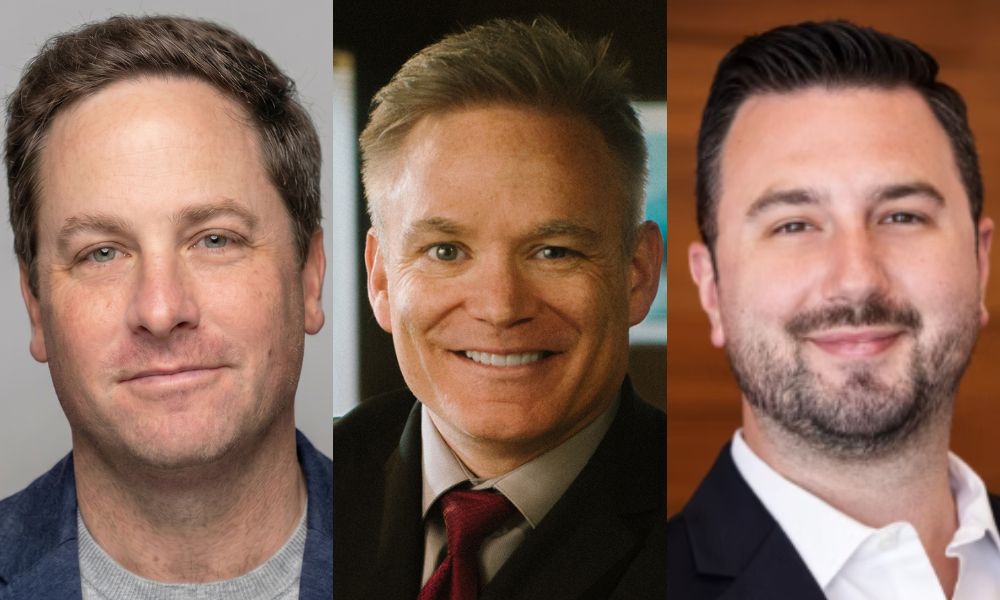
Nearly 250 years after the American Revolution, the principle that self-governance yields superior outcomes is finding new resonance in wealth management. Independent RIAs now oversee 27% of U.S. industry assets, up from 21% a decade ago, according to a February 2026 Cerulli Associates report. The research firm also estimates that roughly 9% of advisors, representing $3.1 trillion in assets, switched firms in 2025—with independence as the primary destination.
Three RIA founders describe how breaking away from large broker-dealers and wirehouses has allowed them to eliminate conflicts of interest and pursue strategies that benefit clients directly.
Freedom to Find the Best Answer
Brad Desormeaux, CEO and private wealth advisor at Iron North Private Wealth in Coeur d'Alene, Idaho, draws a direct line between America's founding philosophy and his firm's approach. Desormeaux, an 18-year veteran and Iraq War veteran, left UBS in May 2026 with $350 million in client assets to join Sanctuary Wealth. He believes independence allows advisors to spend time finding the best solution for each client rather than being constrained by proprietary platforms or lending relationships.
“That allows us to search broadly for opportunities, negotiate competitively for services, and select investment managers based on merit and outcomes rather than affiliation,” Desormeaux said. As a fiduciary, his legal obligation begins and ends with the client.
Eliminating Structural Conflicts
Mitch Stein, founder and principal at Arena Private Wealth, a Midwest-based RIA with offices in Chicago, Cleveland, and Columbus managing approximately $338 million in regulatory AUM, sees the RIA model as a structural solution to inherent conflicts. For Stein, self-governance means no pay-to-play arrangements, no sales quotas, and no mandates from a distant compliance committee.
“In our case, that's led us to co-lead a funding round in a company many people believe is the most credible challenger to NVIDIA in AI inference,” Stein said, referring to Arena's lead role in a $230 million Series B round for Positron AI in February 2026. The deal, unusual for an RIA and almost unheard of for a Midwest firm, was executed alongside institutional players including Jump Trading and the Qatar Investment Authority.
“Everything we build, every decision we make and every opportunity we bring to you exists because we think it's right for you—not because it's convenient for us,” Stein explained.
Authenticity as a Competitive Edge
Peter Bjelopetrovich, CFS, founder and managing partner at Mindset Wealth Management in Indianapolis, Indiana, emphasizes that independence allows advisors to show up authentically. Mindset, launched in 2024 with backing from tru Independence, manages approximately $323 million across 212 accounts. The firm was built by four former colleagues from Sheaff Brock Investment Advisors who wanted to pursue strategies—including differentiated options overlay approaches—that a larger firm's structure would constrain.
“Some advisors may feel most comfortable in a suit, some may feel most comfortable in a t-shirt. If the proficiency is the same then the client ultimately decides based on who they 'liked' the most,” Bjelopetrovich said. That authenticity, he argues, builds trust that sustains long client relationships.
The shift toward independence is accelerating. Cerulli projects that independent RIAs will increase in number by 12% by 2028, at which point approximately one-third of all advisors will belong to RIA channels. Wirehouse headcount is expected to decline by 5.7% over the same period. For advisors who have already made the leap, the fiduciary model—stripped of sales pressure and proprietary product mandates—is simply a better way to serve clients.
For advisors considering a similar move, the CFP Board survey on financial fraud highlights the importance of trust in client relationships. Meanwhile, UHNW families often neglect governance, a gap that independent RIAs can fill. And as student loan debt threatens retirement security, advisors with fiduciary freedom can tailor solutions without institutional constraints.