The projected $124 trillion wealth transfer in the U.S. through 2048 is no longer just a statistic for advisors to monitor; it now raises a more pressing question: how will heirs handle the money once it arrives? According to Bank of America's 2026 Private Bank Study of Wealthy Americans, 61% of ultra-high-net-worth respondents—those with at least $25 million in investable assets—worry that an inheritance could dampen their children's drive. In response, 41% are embedding specific provisions in trusts to mitigate that risk, and 36% are limiting heirs' awareness of the family's wealth altogether.
Cerulli Associates projects that $105 trillion of that $124 trillion will go directly to heirs by 2048, with $18 trillion earmarked for charity. For advisors, the legal groundwork—wills, trusts, beneficiary designations—has become routine. The harder work lies in what follows: selecting who will administer the money and whether charitable giving becomes a deliberate part of the family's ethos or an afterthought.
Trustee selection: the pivotal decision
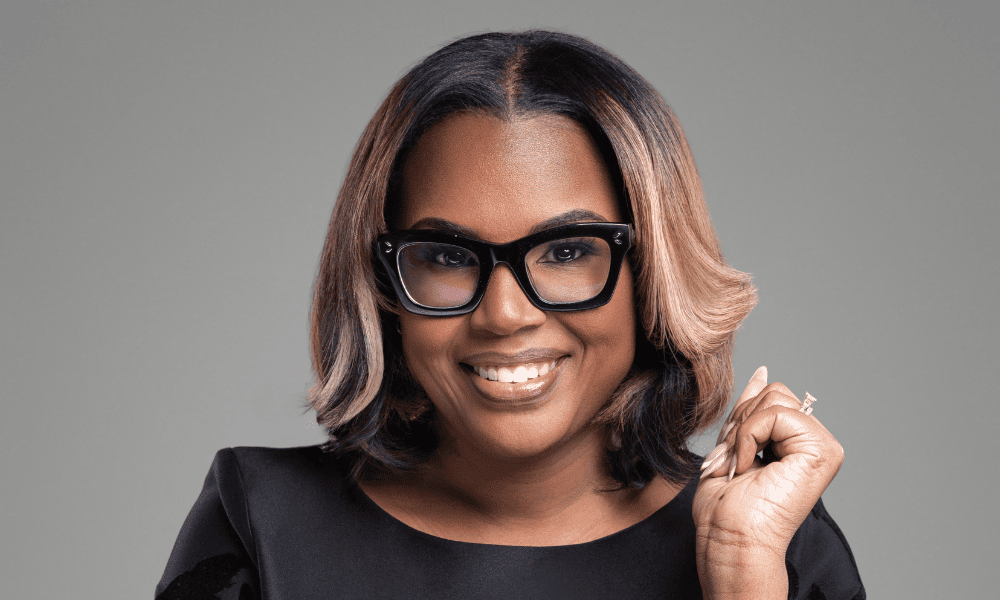
David Barnard, founder and CEO of Luminary, argues that most trustees are not professionals, and families often prioritize familiarity over capability when making this choice. "There is a reason professional trustees exist," Barnard said. "Administering a trust and realizing all of its intended benefits requires more than knowing the family well. A friend or relative may grasp the personalities involved, but few are equipped to consistently make decisions aligned with the grantor's intent while managing the trust with efficiency and transparency." He emphasized that the right trustee blends sound judgment with operational rigor and professional expertise.
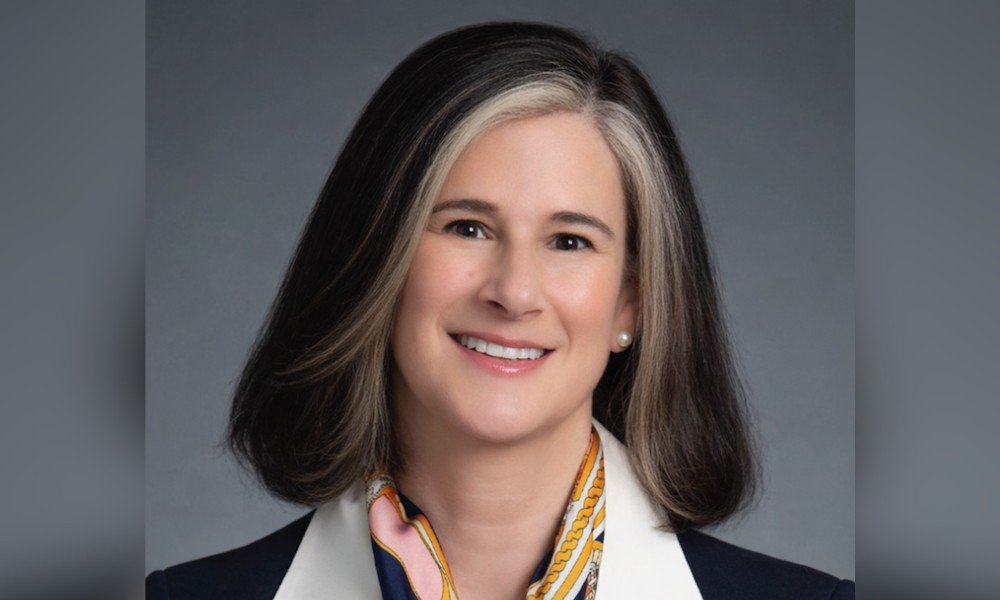
John Abbuhl, director of trust business development at National Advisors Trust, sees a similar tension between sentiment and fiduciary duty. "Families sometimes view being named trustee as an honor and choose a family member or close friend without fully considering what the role entails," Abbuhl said. "Serving as trustee carries significant fiduciary, administrative, and legal responsibilities. That's where a corporate trustee can add substantial value—bringing objectivity to difficult decisions and providing continuity across generations."
Charitable vehicles turn philanthropy into strategy
John Youngs, partner and CEO of Tiller Private Wealth, notes that donor-advised funds (DAFs)—which allow donors to contribute assets, claim an immediate tax deduction, and recommend grants over time—can help families pursue philanthropic goals while potentially reducing the size of a taxable estate. This approach has quietly reshaped year-end giving among affluent households, and DAFs remain one of the fastest-growing tools for tax-efficient philanthropy among high-net-worth clients.
Youngs also highlighted a technical detail with significant planning implications: the 10-year rule for many inherited IRAs, which requires most non-spouse beneficiaries to withdraw the entire account within a decade of the original owner's death. "Families may choose to leave Roth assets to heirs while prioritizing charitable giving through traditional IRAs, which can be particularly tax-efficient assets to leave to charity," he said. "Vehicles such as Charitable Remainder Trusts are also used to pursue multiple objectives, including providing income during a donor's lifetime, potentially reducing estate or other tax exposure, and ultimately directing assets to chosen charities. The key is not to let the tax tail wag the charity dog—prioritize your philanthropy first, then be tax-smart in execution."
Abbuhl added that private family foundations can extend this strategy across generations. "Private foundations generally must make annual qualifying distributions equal to approximately 5% of their investment assets," he said. "Families can use that annual responsibility as an opportunity to come together, discuss the organizations and causes they want to support, and give younger generations a meaningful role in those decisions."
Starting early changes the outcome
Youngs advises that wealth transfer conversations should begin as soon as heirs are mature enough to engage with the information—often well before any assets actually move. Barnard agrees, framing early planning as a matter of options rather than urgency. "There is no single right time to have these conversations," Barnard said. "They often arise around major life events—births, marriages, liquidity events, divorces, or deaths—but the earlier the discussion happens, the more options a family generally has. As the old saying goes, the best time to plant a tree was 20 years ago. The second-best time is today."
For advisors, the shift is clear: the pace of wealth transfer may be overstated, but the need for proactive planning is not. As earning heirs' trust becomes central, and as advisors refine their skills for diverse clients, the focus is shifting from paperwork to people. The families that thrive will be those that treat trustee selection and charitable strategy as core components of their legacy—not afterthoughts.