Small business owners are increasingly demanding that financial advisors move beyond traditional retirement plan discussions, according to new research from Voya Financial. The survey, conducted in early 2025, polled over 500 small business owners and found that 95% believe their advisor should be capable of helping employees save above standard plan limits, while 92% said advisors should be equipped to support employee retention efforts. Additionally, 91% placed greater value on advisors who can advise on executive compensation, and 69% wanted help navigating tax-efficient ownership transitions.
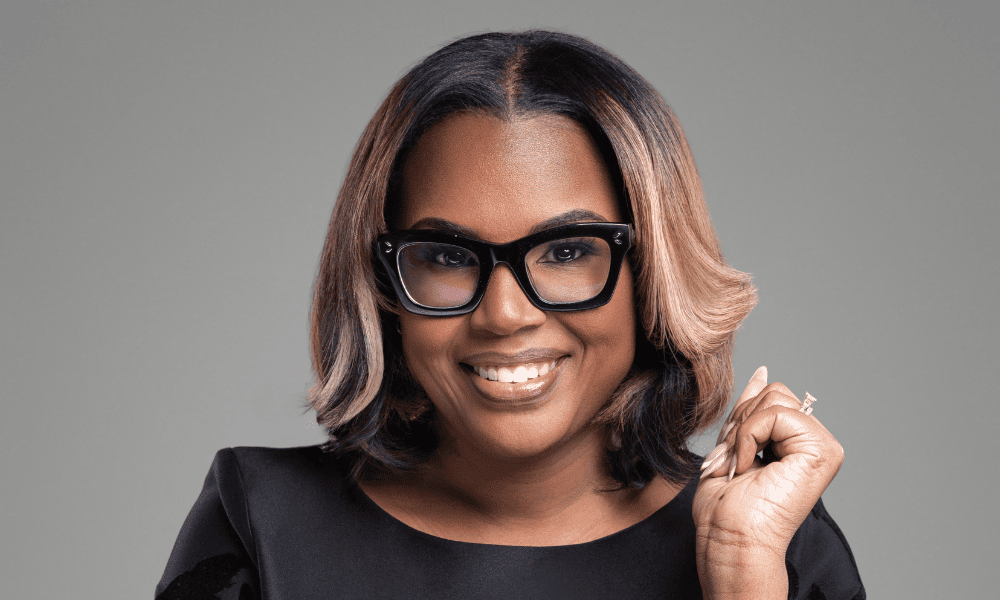
The findings underscore a shift in the advisor-client relationship, as owners bring up topics such as workforce retention, succession planning, fiduciary duties, administrative burden, tax-efficient benefit structures, and long-term financial commitments. “Many owners and advisors begin with a retirement plan discussion, but find it quickly evolves,” said Amy Vaillancourt, president of Retirement at Voya Financial. “Business owners are looking for guidance that connects their people strategy, financial strategy and long-term vision for the business.”
Voya’s research points to several tools advisors are using to address these priorities. Employee stock ownership plans (ESOPs) are gaining traction as a way to create pathways to ownership while preserving company culture and keeping businesses locally rooted. Non-qualified deferred compensation plans are being used alongside traditional qualified plans to retain senior leaders, and corporate-owned life insurance is being used to fund long-term benefit obligations in a tax-efficient manner. Simplified retirement plan structures are also being adopted to ease administrative load, allowing owners to focus on running their businesses.
The survey highlights a broader opportunity for advisors to help small businesses take a more integrated approach, tying together retirement planning, benefits, workforce strategy, and long-term business goals. This aligns with recent industry moves, such as Edward Jones adding JPMorgan and T. Rowe Price to its retirement platform, targeting the small-business 401(k) market. Vaillancourt noted, “At a time when we're reflecting on the spirit of American enterprise that built this country, small businesses remain central to our communities. What's changing is that more owners are looking beyond day-to-day operations and traditional retirement plan support – and turning to trusted advisors to help sustain and grow their businesses for the long term.”
The research also examined community support for small businesses. While nine in ten respondents from the general cohort would be upset to see a favorite local business close, 77% said they were not confident that it would survive another five to ten years. However, 70% said they would be more inclined to support a business that gives employees an ownership stake, and 86% said it matters that profits generated by local businesses stay within the community. These findings suggest that advisors who can help owners implement ownership structures may also enhance community goodwill.
For advisors, the data reinforces the need to expand their toolkit beyond retirement plan mechanics. As small business owners grapple with workforce challenges and long-term planning, those who can offer holistic guidance—from executive compensation to tax-efficient transitions—are likely to deepen client relationships. The survey’s results come as the industry sees increased focus on practice management, with firms like Cambridge Investment Research reporting $25 million in Q1 recruiting revenue amid consolidation.
Vaillancourt emphasized that the opportunity for advisors is significant. “Small businesses remain central to our communities,” she said. “Advisors who can connect the dots between retirement planning, benefits, and business strategy will be best positioned to help owners build sustainable enterprises while expanding access to financial security for employees.” The research suggests that as owners seek more comprehensive support, advisors who adapt will find themselves at the center of a growing market.