A recent report from Morgan Stanley Wealth Management indicates that family offices are increasingly adopting institutional-style operating structures, driven by major wealth events that expose weaknesses in informal governance. The study highlights how business exits, generational wealth transfers, and leadership turnover are prompting families to formalize risk management and operational processes.
According to the report, many family offices professionalize after periods of disruption rather than through gradual evolution. Large liquidity events, such as company sales and initial public offerings, often force families to confront the challenges of managing concentrated wealth and more complex investment structures. This shift is leading to tighter controls, improved documentation, and more formal oversight frameworks.
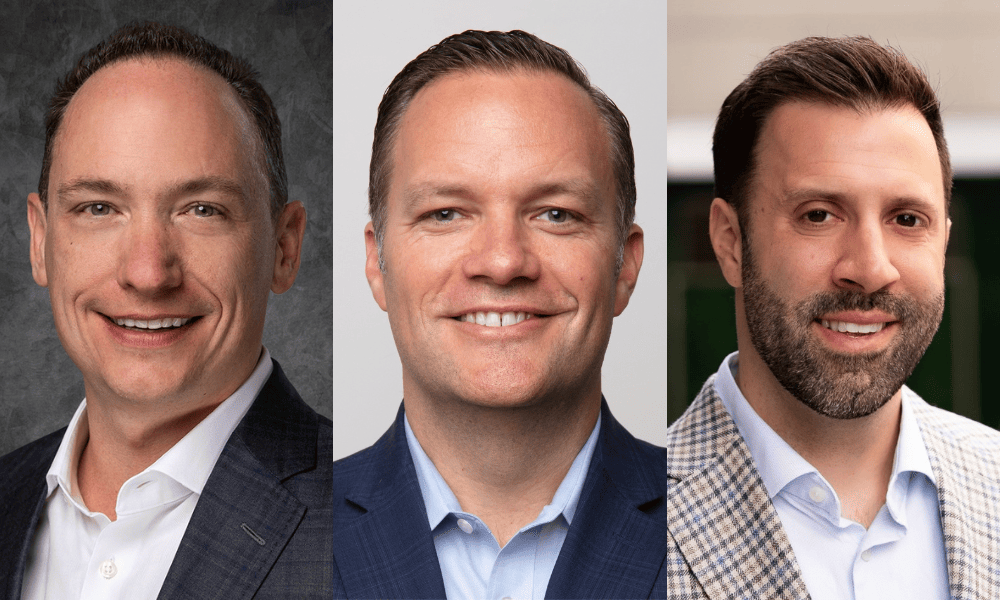
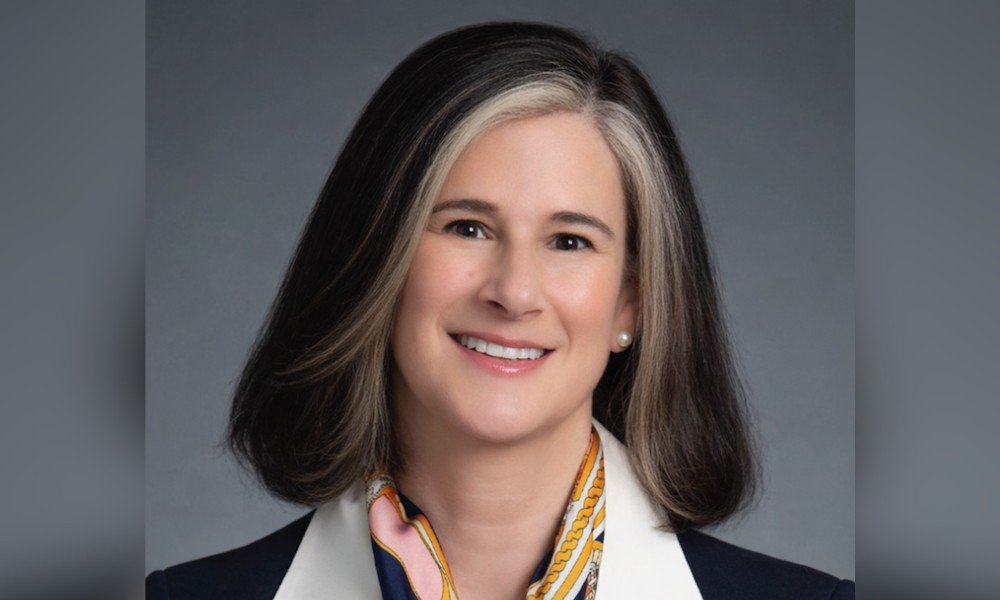
“Many families are reassessing what truly needs to be built internally within a family office versus where scale and strategic partnerships can add value and simplify structure,” said Stephanie Crombie, managing director and co-head of Morgan Stanley Family Office. “Access to institutional infrastructure, and specialized guidance and investment capabilities can help reduce operational burden, mitigate key person risk and position family offices to adapt as needs evolve over time.”
The report identifies succession planning as another major pressure point. As wealth moves across generations and family branches, governance systems can come under strain while differences in financial literacy and decision-making approaches emerge. This dynamic often necessitates more structured frameworks to ensure continuity.
Family offices remain vulnerable to key person risk, according to the report. The departure of senior executives such as chief investment officers, chief financial officers, or executive directors can create operational disruption and expose weaknesses where responsibilities are concentrated among a small group of individuals. This risk is a key driver behind the push for institutionalization.
“Institutionalization is not about ceding control,” said Stephen Wronski, managing director and co-head of Morgan Stanley Family Office. “It’s about building systems that allow decision-making autonomy to persist across market cycles, leadership changes and generations.”
Morgan Stanley notes that many family offices are adopting hybrid operating models that keep strategic decision-making in-house while outsourcing functions such as reporting, technology infrastructure, and specialized investment expertise to external partners. This approach allows families to maintain control while leveraging external scale and expertise.
For advisors, these trends underscore the importance of helping clients navigate governance challenges. As noted in a related Morgan Stanley survey, 63% of founders prioritize revenue growth amid AI and liquidity pressures, highlighting the need for robust planning. Additionally, the issue of family members as estate executors can complicate governance, as wealth managers often advise against it.