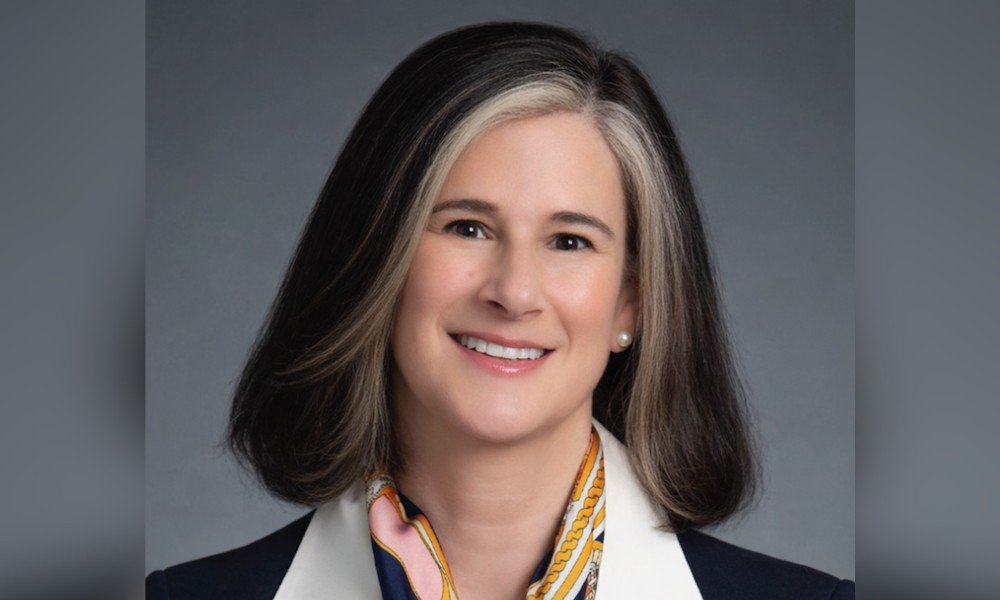
Financial advisors often focus on estate planning and wealth transfer, but Andrew Lendnal, Head of Financial Wellness at Wealthspire, argues that preparing the next generation to manage money should start long before any trust is drafted. In a recent interview with InvestmentNews, Lendnal shared insights from his book, How I Turned My Kids into Financially Entitled Monsters, drawing on his experience raising two daughters to illustrate how well-meaning parents can inadvertently foster entitlement.
Lendnal notes that the path to entitlement is paved with small, seemingly generous decisions. He recalls one daughter asking for a Tesla at age 11 and another feeling entitled to an iPhone upgrade for completing homework. "Most financially entitled monsters are raised by loving, generous, and well-intentioned parents. I'd know. I raised a couple," he said. The core issue, he explains, is confusing giving children opportunities with removing their responsibility. Over time, opportunities quietly become expectations.
The solution, according to Lendnal, is to start financial education early and integrate it into daily life. "The minute a child starts asking for things, they're old enough to start learning," he said. Growing up in New Zealand, he learned early that if you wanted something, you usually had to work for it. That lesson stuck with him long before he encountered concepts like 401(k)s in the United States. He recommends that advisors encourage clients to talk about trade-offs openly, such as discussing grocery costs or why a certain purchase is being postponed.
Lendnal's approach evolves with age. For young children, he focuses on the difference between needs and wants. Tweens and teens receive a small budget they are allowed to overspend, so they experience what running out of money feels like. They also discuss what a paycheck looks like after taxes. As children enter adulthood, the conversations shift to credit, debt, and workplace benefits. By then, Lendnal says, "the foundation was poured years earlier at the grocery store."
Wealth does not determine outcomes, Lendnal emphasizes. In his previous career as an investment advisor, he met families worth millions whose children were grounded, and families with far less whose children struggled with entitlement. "The size of the bank account almost never predicted it," he said. The key is making children participants rather than spectators. When his daughters wanted something big, the answer was not a flat yes or no, but rather, "here's the part you're covering." This approach, he says, forces them to weigh whether they actually want the item.
Lendnal advises advisors to broach the topic of financial literacy with clients by leading with curiosity. Instead of asking what clients have done wrong, he suggests asking, "What financial values do you hope your kids inherit?" Parents typically respond with values like responsibility, gratitude, and knowing the value of work, rather than compound interest. This shifts the conversation from money to the legacy they care about, without making anyone feel judged. Through his board role with the National Financial Educators Council, Lendnal has observed that young adults often lack not knowledge, but confidence in applying financial concepts to real decisions like debt management or benefits enrollment.
Lendnal's message comes at a time when the $84 trillion wealth transfer is prompting advisors to focus on estate planning. However, he argues that financial education at the dinner table is equally vital. "The best money lessons rarely happen in a classroom. They often happen while pushing a cart down the cereal aisle or driving to soccer practice," he said. By treating money as a normal topic of conversation, parents can raise adults who are capable of handling financial decisions confidently.