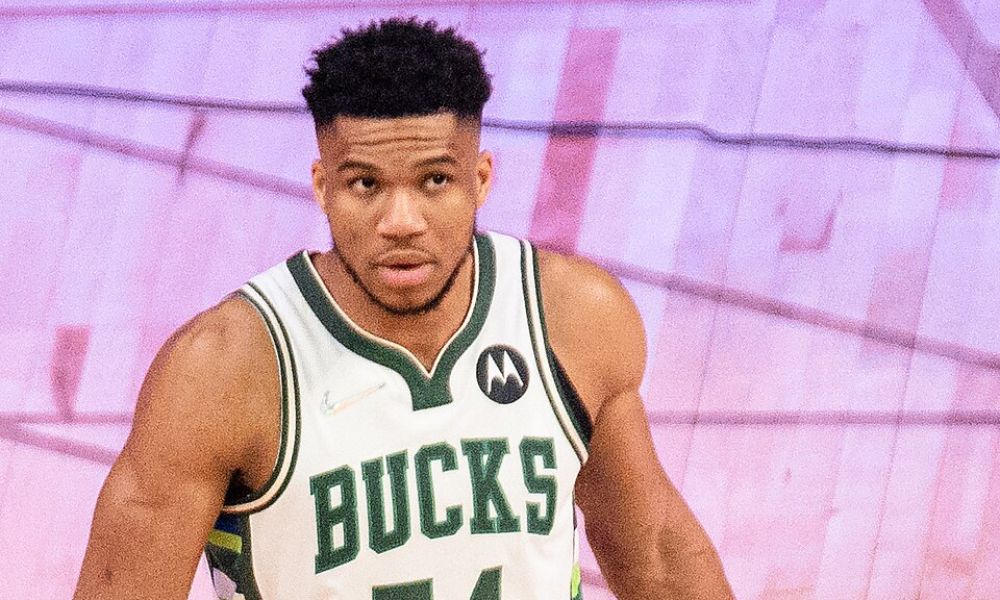
Milwaukee Bucks forward Giannis Antetokounmpo, a two-time NBA Most Valuable Player, is cautioning professional athletes to maintain strict separation among their financial advisors, lawyers, and agents. In a recent interview with social media influencer James Domoulin on the School of Hard Knocks channel, Antetokounmpo emphasized that overlapping relationships among these key advisers could leave athletes vulnerable to exploitation.
“Make sure especially, your lawyer, your financial advisor, and your agent should not know one another,” Antetokounmpo said. “They might take advantage of you, and you have to protect yourself.” The 31-year-old star, who has earned $338 million in salary alone over his career, noted that 60% of athletes go broke within six years of retirement—a statistic originally reported by Sports Illustrated in 2009.
Antetokounmpo’s warning comes amid growing scrutiny of financial advisors serving professional athletes. In a recent case reported by InvestmentNews, Merrill Lynch agreed to pay a $1.25 million settlement after former advisor Isaiah T. Williams allegedly stole $1.6 million from an NFL player client. The incident underscores the risks athletes face when their financial team lacks independence.
The “Greek Freak,” born in Athens to Nigerian immigrants, has built a diverse business portfolio that includes a partnership with Calamos Investments. He projects that his wealth will reach billionaire status during his playing career, citing historical stock market returns. “Your money doubles every seven years if you invest it in the market,” Antetokounmpo said. “Even if I don't do nothing, I'll probably be a billionaire while I'm playing.”
LeBron James is currently the only active NBA player with a net worth exceeding $1 billion, while retired legends Michael Jordan and Magic Johnson have also achieved billionaire status through ownership stakes, investments, and endorsements. Antetokounmpo’s contract with the Bucks includes a $62.8 million player option for the 2027–28 season, which could make him a free agent in summer 2027 if he declines it.
Antetokounmpo’s advice reflects a broader trend in wealth management, where firms are increasingly targeting professional athletes. However, he warns that athletes often focus on visible markers of wealth—like cars and jewelry—rather than long-term financial health. “Rich is what you see, wealth is what you don't see,” he said. “Extreme wealth is what you don't see, [but] you have, haven't spent, and keep investing.”
For financial advisors serving high-net-worth athletes, the message is clear: independence among professional advisers is critical to protecting clients from conflicts of interest. As the Factory Holdings RIA launch demonstrates, specialized platforms are emerging to serve this unique clientele. Meanwhile, advisors may also consider how AI is reshaping advisory roles, potentially helping athletes better navigate complex financial landscapes.