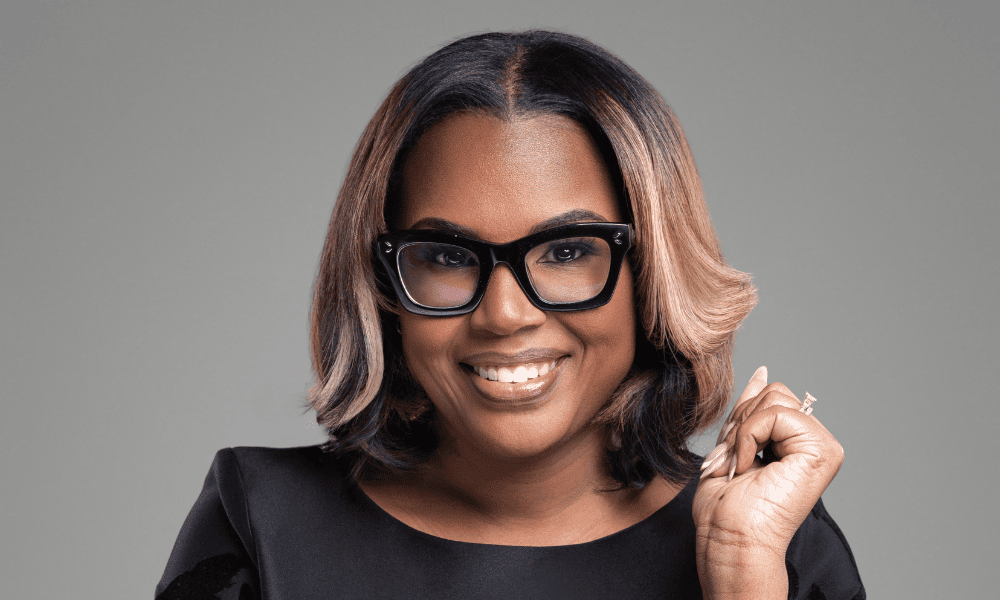
An estimated $124 trillion is poised to transfer to younger generations over the coming decades, yet a growing number of these heirs are bypassing traditional financial advisors in favor of TikTok and AI-driven tools. James Papadopoulos, Head of Americas at Fitch Learning, argues that this trend reflects not a rejection of advice per se, but a mismatch in how advice is delivered.
“Younger investors are turning to TikTok and AI because those platforms feel accessible, immediate, and non-judgmental,” Papadopoulos told InvestmentNews. “Advisors often enter the picture later, speaking in complex language or leading with products, which can feel intimidating.” He emphasized that firms must engage earlier and differently to build trust before habits solidify elsewhere.
Misconceptions about advisors’ roles exacerbate the divide. Many Gen Z and millennial investors assume advisors are primarily salespeople. “One of the biggest misconceptions is that advisors are primarily sales-driven rather than advice-driven,” Papadopoulos said. He noted that this perception is often reinforced by poor communication, not intent, and can be bridged through transparency and education.
The rise of AI tools adds another layer. Nearly 80% of younger investors now use AI for financial advice, but many make poor decisions due to AI’s lack of context and nuance. “AI is very good at providing information, but it struggles with context, nuance, and accountability,” Papadopoulos said. He advises advisors to position themselves around AI, not against it, using it as a tool while serving as trusted guides.
Communication remains a critical barrier. Advisors often overcomplicate conversations with jargon and lengthy explanations, assuming younger clients want shortcuts. “Another issue is assuming younger clients want shortcuts, when in reality they want clarity and involvement,” Papadopoulos said. He advocates for ongoing, two-way dialogue focused on outcomes rather than products.
Competing with social media’s simplicity doesn’t require matching its volume. “Advisors don’t need to compete on volume – they need to compete on value,” Papadopoulos said. Breaking information into digestible pieces, using plain language, and maintaining regular touchpoints can make the process approachable. Timing is also crucial; firms that wait until wealth transfers occur risk losing the relationship.
“Advisors need to engage before assets arrive,” Papadopoulos said, suggesting educational conversations and family planning discussions. “Firms that succeed treat younger investors as future partners, not future accounts.” Early engagement builds familiarity and trust, which are hard to retrofit later.
As the industry evolves, advisors must expand their skill sets beyond technical expertise. “Technical expertise will always matter, but it’s no longer enough,” Papadopoulos said. He highlighted the need for stronger communication, behavioral finance, digital fluency, and cross-generational relationship skills. Training should focus on real-world interactions, such as managing pushback and explaining value clearly.
For context, a recent BofA survey found wealthy families shifting to private markets amid the wealth transfer, while BNY Wealth reported that 96% of ultra-HNW investors use AI weekly but still rely on advisors for human judgment. Advisors who adapt their approach may retain younger clients and secure their role in the $124 trillion transition.